"This was an excellent tour and one of our favorite days in Tokyo! The Ghibli Museum is incredible. And the tour beforehand was excellent. Our kind was very kind and knowledgeable and we were able to see some of the neighborhood as well as visit the neighborhood park which was stunning and a shrine there. I would do this tour again and highly recommend it."
Kichijoji · Mitaka · Two Hours Inside the Museum
Anime Museum Tokyo
The most visible Ghibli walking tour in Tokyo says in its own exclusions that it cannot get you into the Ghibli Museum — and its own itinerary logs the museum as a ten-minute pass-by. This one holds a real ticket and gives you two hours inside. That is the whole difference, and no listing title says it.
Top rated
From
$93
per person
Free cancellation
- 4.8 / 5 116+ Reviews
- 2 Hours Inside the Ghibli Museum
- ¥1,000 Museum Gate Price
- Free Cancellation
The Experience
What the Kichijoji Food and Anime Walk Includes
Lifted verbatim from the operator's own listing — a guide, the retro alleys, anime-themed snacks, and the line that matters: admission to the Ghibli Museum.
Highlights
- Explore retro alleys and local food in Kichijoji
- Take a peaceful walk through Inokashira Park
- End at a famous animation museum — explore freely on your own
- Experience a slower, more authentic side of Tokyo
What's Included
- Walking tour
- Guide
- Admission to the Ghibli Museum
- Anime-themed snacks
How the Kichijoji Museum Day Runs
An hour of eating in the back alleys, twenty minutes in Inokashira Park, ten minutes on foot, then two hours inside the museum on your own — and it finishes there rather than looping back.
Send Passport Names When You Book
This is the step that gives the game away, and it is the first thing the operator asks for: the full names of every traveller exactly as they appear on their passports, so that it can prepare the tickets. Nobody collects passport names to walk you past a building — they collect them because the Ghibli Museum sells date-and-time-specific tickets tied to the person who bought them. Bring the passport or ID card on the day, and bring cash; the listing asks for both.
Meet by Map Pin, Not by Address
The operator publishes no written meeting address. The platform gives a map pin and the itinerary logs the starting location only as a plus code, so open that pin before you leave your hotel rather than at the station. From there the itinerary budgets ten minutes on foot to the first stop. Kichijoji sits on the JR Chuo Line, one stop before Mitaka.
An Hour in the Alleys, Twenty Minutes in the Park
The itinerary allocates a full hour to what it calls a hidden gem — break time, sightseeing and food tasting, which in practice is the alley network by the station — then ten minutes on foot and twenty minutes in Inokashira Park for a photo stop and a walk. The park is not a detour: it is the route to the museum, so the sightseeing and the walking are the same twenty minutes.
Two Hours Inside, and the Tour Ends There
Ten more minutes on foot and you are at the museum with two hours of free time to explore at your own pace. The tour finishes at the museum rather than looping back to the station, so plan your own way home. Photography inside is not permitted and your entry time is fixed, which is why the guide keeps a pace through the park. One caution the operator states plainly: this tour is listed as not suitable for people with mobility impairments, people with diabetes, or people over 70.
Photo Gallery
Alleys, Park Paths and the Walk to the Museum
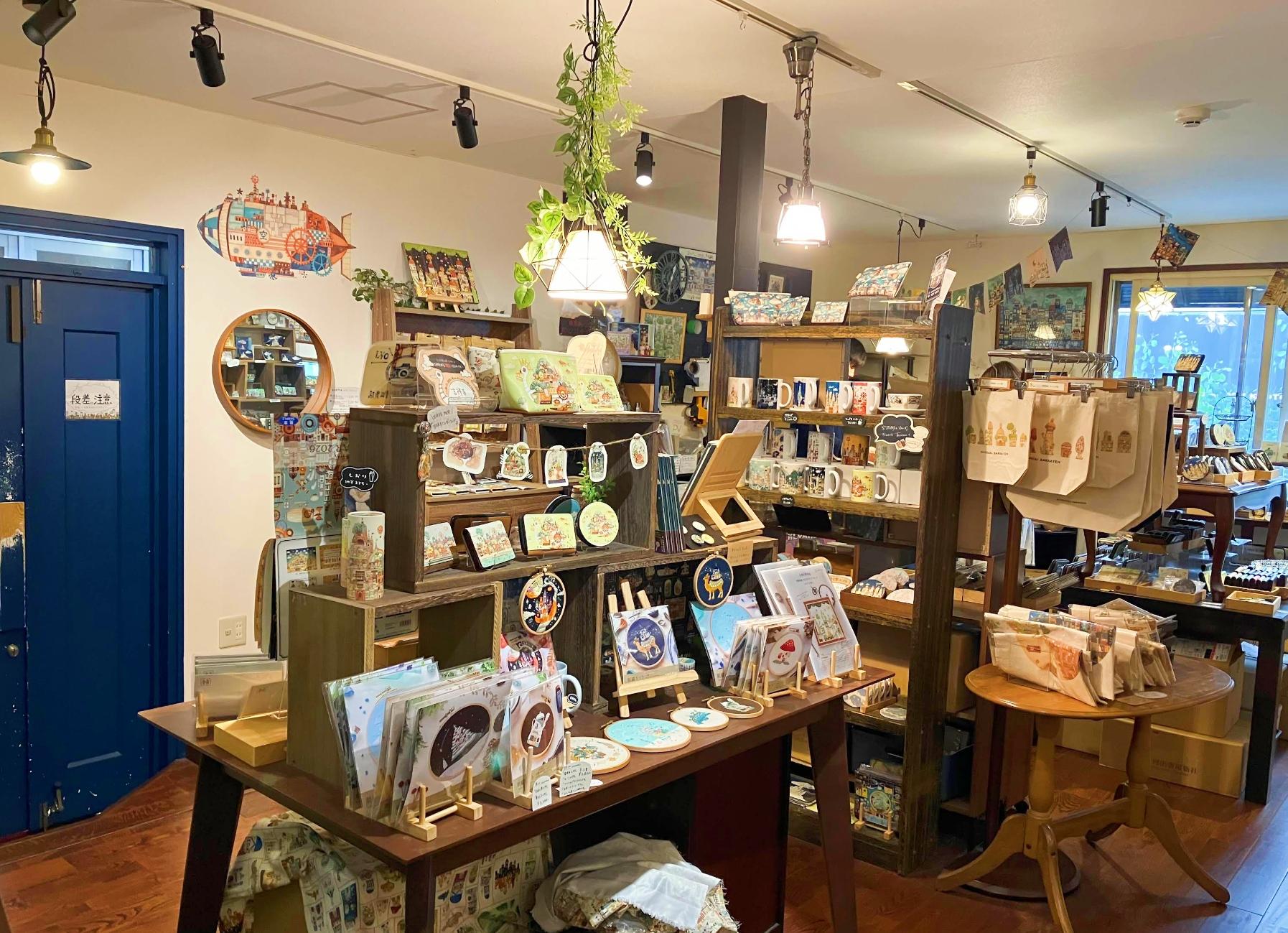
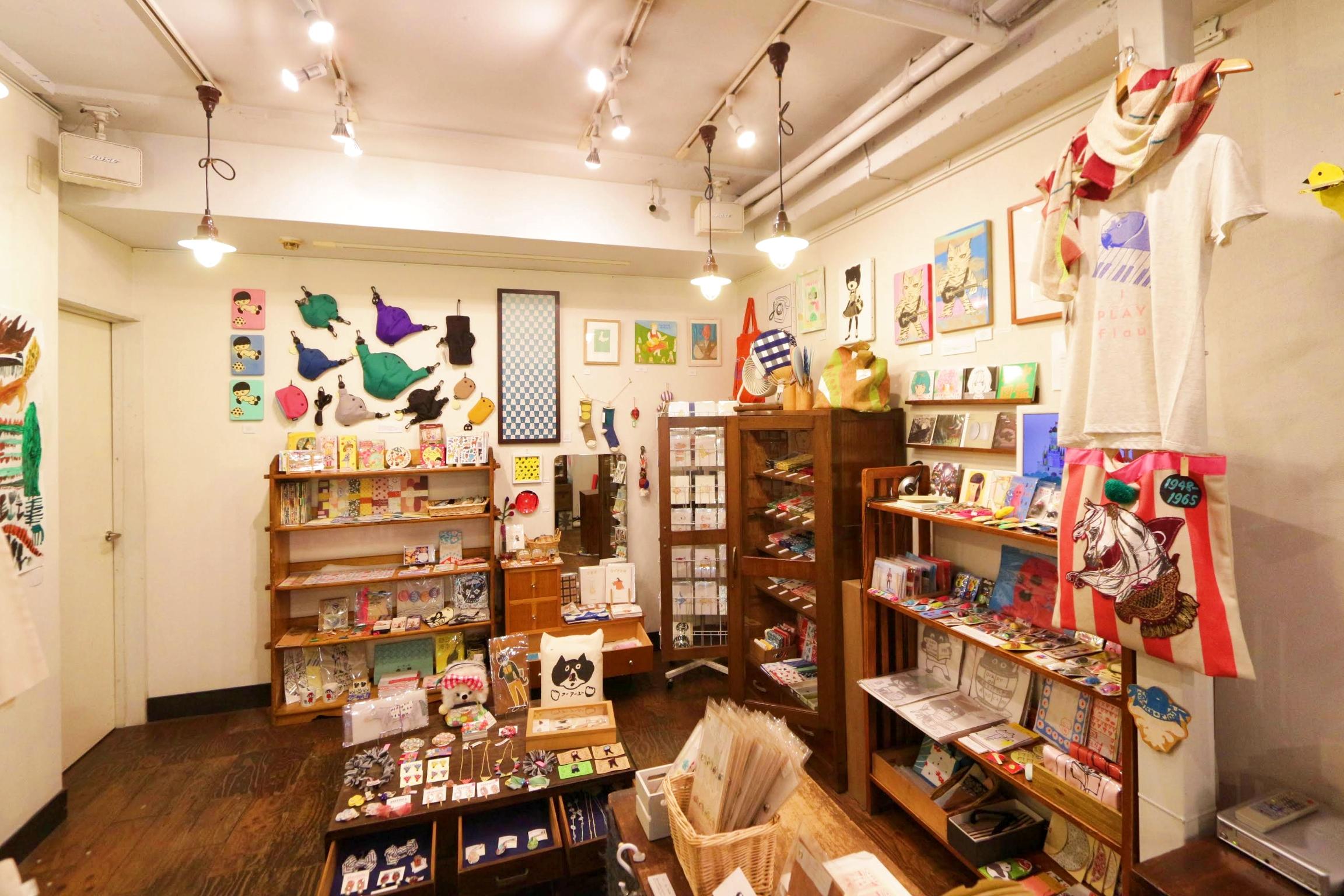
Kichijoji's arcades and back streets, Inokashira Park and the food the tour stops for — photographs from the operator's own listing.

Book Your Experience
Check Availability & Prices
Select your preferred date and time. Instant confirmation — free cancellation up to 24 hours before departure.
Three Ways to Do an Anime Museum Day in Tokyo
One holds a real Ghibli Museum ticket for you, one is the studio's own ground with no entry at all, and one is free. Every line below is the operator's or the museum's own wording, not ours.
| Feature | FEATURED — GETS YOU IN Kichijoji Food & Anime Walk | Studio Ghibli Origins Walk | Suginami Animation Museum — Free |
|---|---|---|---|
| Starting Price | From $93/per person | From $91.30 per person, down from a $101 base — a dollar and a half cheaper | Nothing. Admission is free and no reservation is needed |
| Ghibli Museum Entry Included? | Yes — the operator's inclusions read: admission to the Ghibli Museum, with two hours of free time inside | No — the operator's exclusions read: this tour does not include entry to the Ghibli Museum, and it does not include ticket arrangement services | Not applicable. This is a different museum, in Ogikubo, and it never sells out |
| Rating and Review Depth | 4.8 from 116 verified guests — the deepest sample in this cluster | 4.8 from 75 verified guests | No booking platform involved, so no rating to quote |
| What You Actually See | Kichijoji's retro alleys with food tasting, twenty minutes in Inokashira Park, then the museum itself for two hours | Locations tied to the studio's history and to the landscapes behind the films, the museum from outside, and an hour at the Koganei open-air architectural museum guests name as the Spirited Away bathhouse | A history wall of Japanese animation, recreated animators' desks, a zoetrope, an anime library, a theatre, a dubbing booth and a digital colouring workshop |
| Who It Suits | Anyone whose dates are fixed and who has to be inside the museum on a specific day | People who have seen more than Totoro. One guest's review says exactly that, and it is the fairest warning on the listing | Families, anyone who wants to understand how anime is made, and anyone who lost the ticket release |
| The Catch | The word anime is doing less work than the word admission — one guest writes not much anime, but did get us ghibli tickets. Passport names required at booking, and the listing says it is not suitable for people with mobility impairments, people with diabetes, or people over 70 | The platform URL slug says with museum entry. The listing says the opposite, twice, and the itinerary logs the museum as a ten-minute pass-by. Train fare of about ¥400 round trip is also excluded | Closed Mondays, and it is nowhere near Kichijoji — Ogikubo is two stops back towards Shinjuku on the Chuo Line |
| Check Availability | See the No-Entry Walk |
The Rest of the Supply
Every Anime-Museum Option on the Platform
Two more hold a real Ghibli Museum ticket for you; two openly say they do not. One is not an anime museum at all and we have labelled it as such rather than let its review count do the arguing.
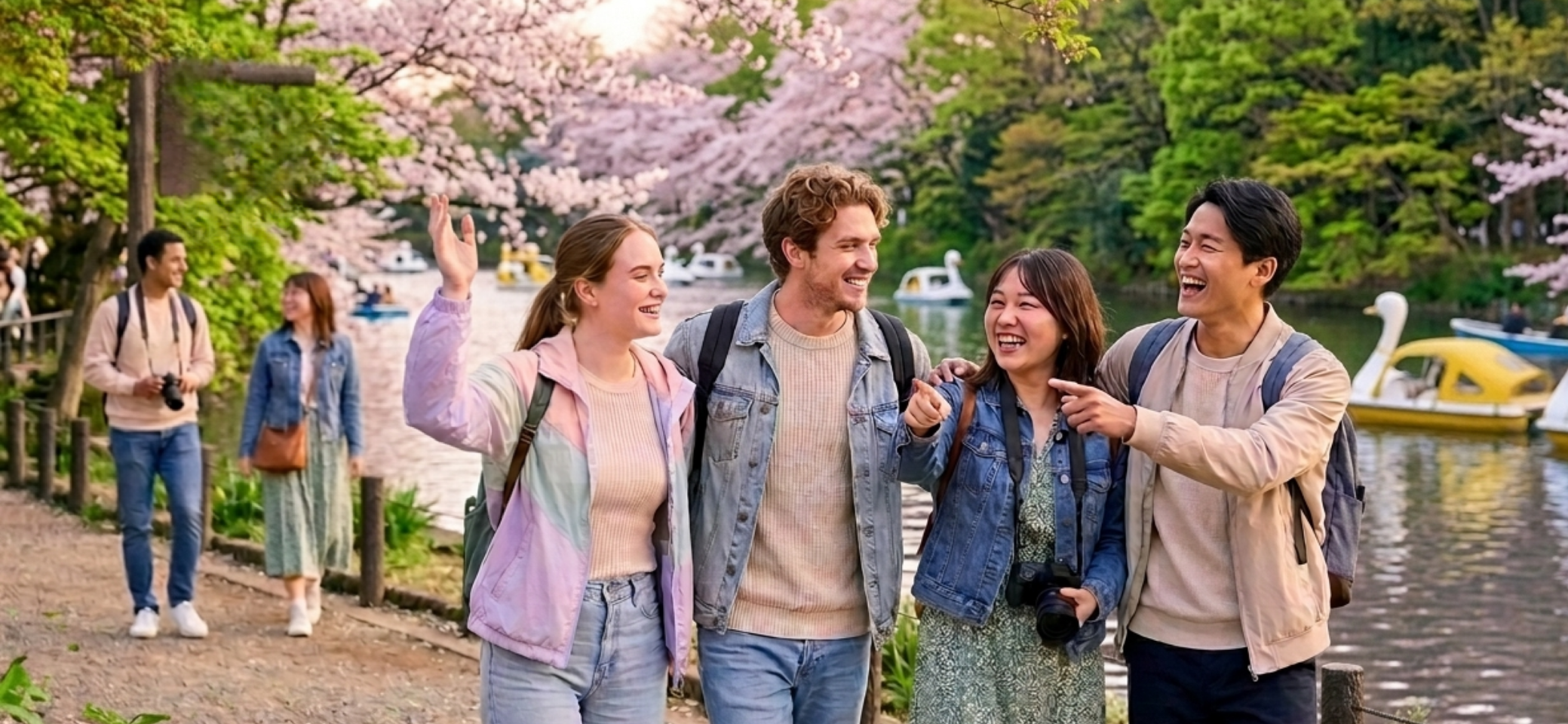 CHEAPEST WAY IN
Tokyo: Kichijoji Walking Tour & Famous Anime Museum - 2026 (Verified Reviews)
Enjoy a unique anime-themed walking tour in Kichijoji, guided by a friendly local who knows the area inside out. Explore authentic anime shops and hidden subculture …
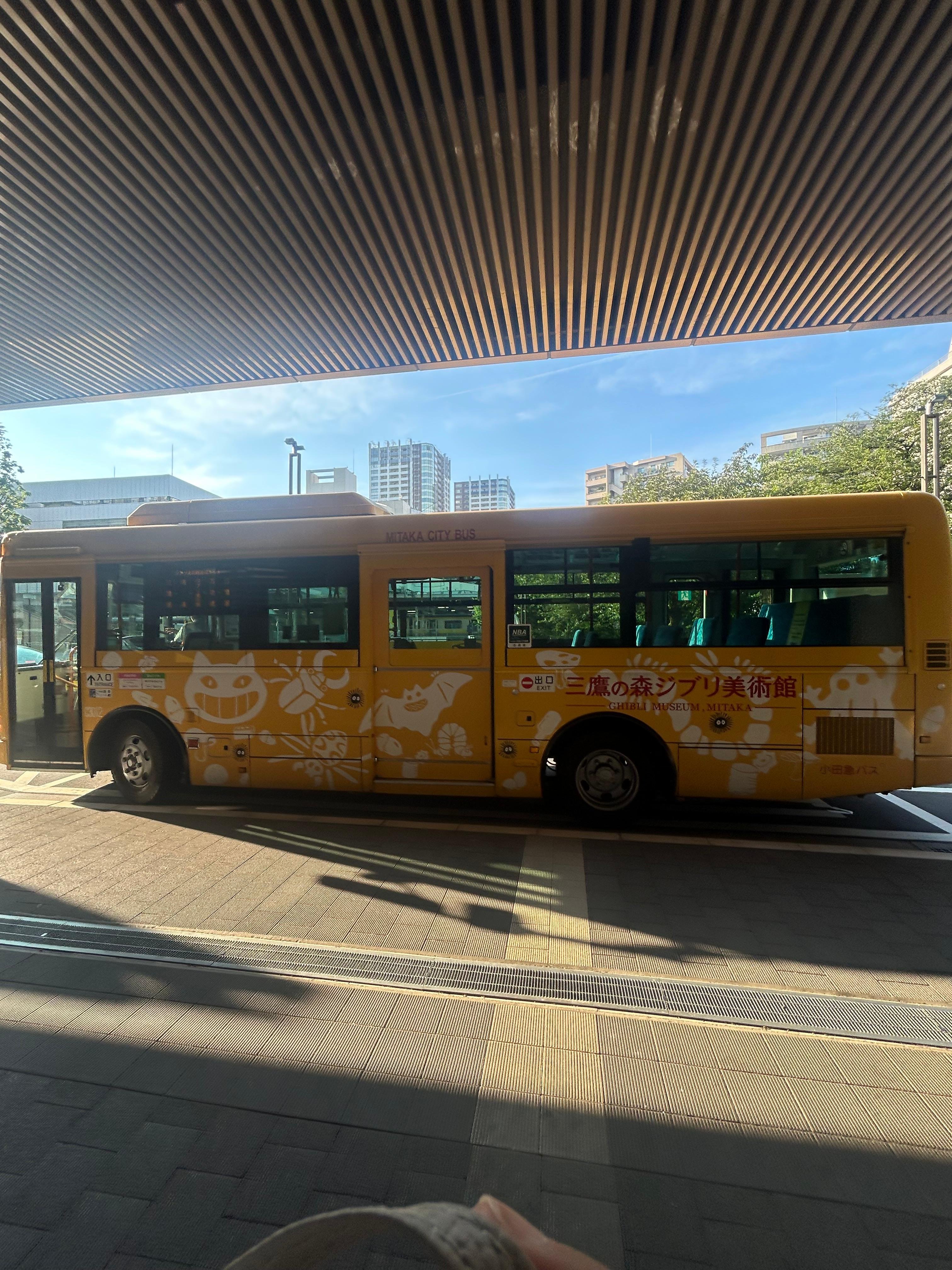 ENTRY + FOOD TOUR
Tokyo: Ghibli Museum, Kichijoji, and Food Tour - 2026 (Verified Reviews)
Begin in Kichijoji, exploring its lively streets filled with boutique shops, cozy cafés, and nostalgic alleyways like Harmonica Yokocho. We will also visit Petit …
 NO MUSEUM ENTRY
Tokyo: Studio Ghibli Origins Walking Tour - 2026 (Verified Reviews)
Step beyond the screen and explore the real Tokyo neighborhoods, streets, and landscapes connected to the creative world of Studio Ghibli. Studio Ghibli has created …
 NO MUSEUM ENTRY
Tokyo: Step Into the World of Ghibli’s Spirited Away - 2026 (Verified Reviews)
Spirited Away is an Academy Award-winning masterpiece and one of Japan’s most beloved animated films. On this walking tour, you will visit places said to have …
 MINIATURE MUSEUM
Tokyo Exclusive: Miniature Museum & Anime-Themed Cafe Tour - 2026 (Verified Reviews)
Choose Your Package Package 1: Full Guided Experience (3 Hours) Approx. Time: 09:30 - 12:30 (Total duration ~3hrs. Final schedule depends on cafe reservation) …
 ANIME PILGRIMAGE
Tokyo: Anime Location Tour—Your Name., JJK & Tokyo Ghoul - 2026 (Verified Reviews)
Begin your journey at Shinjuku Station and head to a filming location from Tokyo Ghoul. Next, visit sites featured in Jujutsu Kaisen and Weathering With You, and …
 EVANGELION ZONE
Tokyo: SMALL WORLDS TOKYO Entry Ticket - 2026 (Verified Reviews)
Located in Ariake, Tokyo, SMALL WORLDS TOKYO is one of Asia’s largest indoor miniature theme parks and a must-visit immersive attraction for travelers looking for …
 DIGITAL ART, NOT ANIME
Tokyo: teamLab Planets TOKYO Digital Art Museum Entry Ticket - 2026 (Verified Reviews)
Enter teamLab Planets TOKYO and discover the incredible immersive art exhibition within. This full-body digital art experience allows visitors to enter completely …
The Independent Guide
The Museum-Entry Question, Settled
Which Tokyo anime-museum products actually hold a ticket for you, what the Ghibli Museum's own ticketing rules are, and where to go on the day the lottery beats you.
Search anime museum tokyo and you get walking tours. The best-known of them — the Studio Ghibli Origins walk, 4.8 from 75 reviews, and not the tour we feature here — tells you in its own exclusions that it does not include entry to the Ghibli Museum, and its own itinerary logs the museum as “Pass by (10 minutes)”. Three other products on the same platform do get you through the door. This page is built on the best of those three.
The tell that those three are real is buried in the fine print of the cheapest of them. Before it will confirm your booking, the operator asks for “the full names of all travelers exactly as they appear on their passports, so that we can prepare the tickets.” Nobody collects passport names to walk you past a building. They collect them because the Ghibli Museum sells date-and-time-specific tickets, one release a month, and the ticket is tied to the person who bought it.
So the actual decision on this page is not which Ghibli tour is best. It is: pay a premium to have an operator hold a named ticket for you, or take the cheaper walk that is honest about stopping at the door.
The five Ghibli-adjacent products, sorted by the only question that matters
Every figure below is read out of the operator’s own includes or excludes list on the booking platform, captured in August 2026. We have not paraphrased them.
| Tour | Price | Rating | Museum entry included? | The operator’s own wording |
|---|---|---|---|---|
| Kichijoji Food and Anime Walking Tour (featured) | $92.57 | 4.8 (116) | Yes | “Admission to the Ghibli Museum” |
| Kichijoji Walking Tour & Famous Anime Museum | $83.69 | 4.6 (8) | Yes | “Entry ticket to Ghibli Museum” |
| Ghibli Museum, Kichijoji, and Food Tour | $221.90 | 4.6 (20) | Yes | “Ghibli Museum tickets” |
| Studio Ghibli Origins Walking Tour | $91.30 | 4.8 (75) | No | “This tour does not include entry to the Ghibli Museum” |
| Step Into the World of Ghibli’s Spirited Away | $71.01 | 5.0 (9) | No | “This tour does not include entry to the Ghibli Museum” |
Three include entry. Two exclude it, in identical words, from the same operator. That is the whole cluster — no other product in our merged scrape of 52 Tokyo listings mentions Ghibli Museum entry at all.
Read the table for a second and the useful pattern emerges: price does not sort these products, and neither does rating. The $91.30 walk and the $92.57 walk cost within a dollar and a half of each other and are both rated 4.8. One goes inside for two hours; the other passes the building. The $83.69 walk is the cheapest thing in the table and it gets you in — it just has eight reviews behind it. Review depth here is not measuring quality. It is measuring how long a listing has existed.
One detail deserves your outright suspicion, and it is not about the tour we feature. The Studio Ghibli Origins walk’s own URL on the platform ends …studio-ghibli-walking-tour-with-museum-entry…. The slug says museum entry. The listing says the opposite, twice — once in exclusions, once again in the good-to-know block — and the itinerary logs the museum as a ten-minute pass-by. If you find that product through a search result or a shared link, the address bar is telling you something the operator’s own small print contradicts. It is a good tour. It is not a way into the museum, and we would rather you learned that here than at the gate.
How Ghibli Museum tickets actually work
This is the mechanism the walking tours are working around, and almost nobody states it in full.
Admission is by advance, date-and-time-specific reservation only. The museum’s own wording: entrance “is strictly by advance purchase of a reserved ticket which specifies the entry date and time,” and no ticket can be bought at the museum itself. There is no walk-up.
Tickets are sold through LAWSON TICKET, and they are released once a month. The museum’s English ticket page states that availability opens at 10:00 a.m. JST on the 10th of each month, for the following month’s entry dates — so February’s dates go on sale on 10 January. The Japanese page carries the identical rule (毎月10日の10時).
It is first-come, not a lottery — the official pages describe a release, not a ballot. The word “lottery” attached to this museum in travel forums usually refers to other Japanese venues or to older domestic arrangements; we could find no current lottery on either the English or the Japanese official page.
The gate price is low, and that is exactly the problem. From the museum’s own fee table: ¥1,000 for ages 19 and over, ¥700 for 13–18, ¥400 for 7–12, ¥100 for ages 4–6, free under 4. A ¥1,000 ticket to a globally famous museum with a small daily capacity does not clear slowly.
Resale is prohibited. The museum states plainly that tickets bought for resale are not valid for entry (転売されたチケットでは、入場できません). Any site offering you a “spare” Ghibli Museum ticket at a markup is selling you something the museum will refuse.
The museum closes on Tuesdays, and its published hours are 10:00–18:00.
One figure we deliberately have not printed: how fast tickets sell out. You will see “under fifteen minutes” quoted widely. We could not find that number on any primary source, so we are not repeating it. What we can tell you is corroborated from the demand side — the tour reviews. One guest of the $92.57 walk writes that the tour “allowed us to get admission to the museum as it was sold out otherwise.” Another: “Without this tour, we wouldn’t have had the opportunity to visit the Ghibli Museum.” A guest of the $71.01 tour, which includes no entry at all, explains the booking outright: “We chose this tour because Studio Ghibli tickets were impossible to purchase and we took this as the next best thing.”
Ghibli Park is a different place, in a different prefecture
Before anything else in your planning: Ghibli Park is not in Tokyo. It is in Aichi Prefecture, inside the Expo 2005 Aichi Commemorative Park near Nagoya — several hundred kilometres southwest of Mitaka, and a Shinkansen journey, not a train ride. It is a large outdoor park with five separately-gated areas; the museum in Mitaka is a small building you can walk in an afternoon.
The two are separately ticketed and the tickets are not interchangeable. Ghibli Park’s own ticket page opens with a disclaimer aimed squarely at people who have confused them: “This is a ticket page for Ghibli PARK in Aichi, not for Ghibli MUSEUM, Mitaka (Tokyo)”, and adds that “Ghibli Park tickets are not valid at Ghibli Museum, Mitaka, and vice versa.” When the operator itself has to open with that, you know how often the mistake is made.
Prices are on a different scale too: Ghibli Park’s Standard Pass is ¥3,300 for a weekday adult and the Premium Pass covering all five areas is ¥7,300, against ¥1,000 at the door in Mitaka. If you are choosing, choose on geography first. You cannot do both in a day.
What to do when the tickets are gone
This is the most useful section on this page, and it is the one the tour listings have no reason to write.
The Suginami Animation Museum is free. Formally the Tokyo Polytechnic University Suginami Animation Museum, it sits on the third floor of the Suginami Kaikan building at 3-29-5 Kamiogi, near Ogikubo Station on the JR Chuo and Tokyo Metro Marunouchi lines — the same Chuo Line that takes you to Kichijoji. Admission is free. Hours are 10:00–18:00, last entry 17:30, closed Mondays and over the New Year period. Inside it is a working explanation of the medium rather than a shrine to one studio: a history wall of Japanese animation, recreated animators’ desks, a zoetrope, a dubbing booth where you record a voice part, a digital colouring workshop, an anime library and a theatre screening selected works. If you have a child who wants to make something rather than queue for something, this beats the Ghibli Museum and costs nothing.
Nakano Broadway is the other anime destination that is not Akihabara. A 1966 shopping complex four floors deep, five minutes on foot from Nakano Station’s north exit through the Sun Mall arcade, and about five minutes by JR Chuo Line from Shinjuku. Its draw is Mandarake — the world’s largest secondhand anime retailer, which operates dozens of small specialist shops under this one roof, split by category: used manga, vintage figures, cels, idol goods, Gunpla. It is denser, cheaper and far less performative than Akihabara, and it is on the same westbound Chuo Line as everything else on this page.
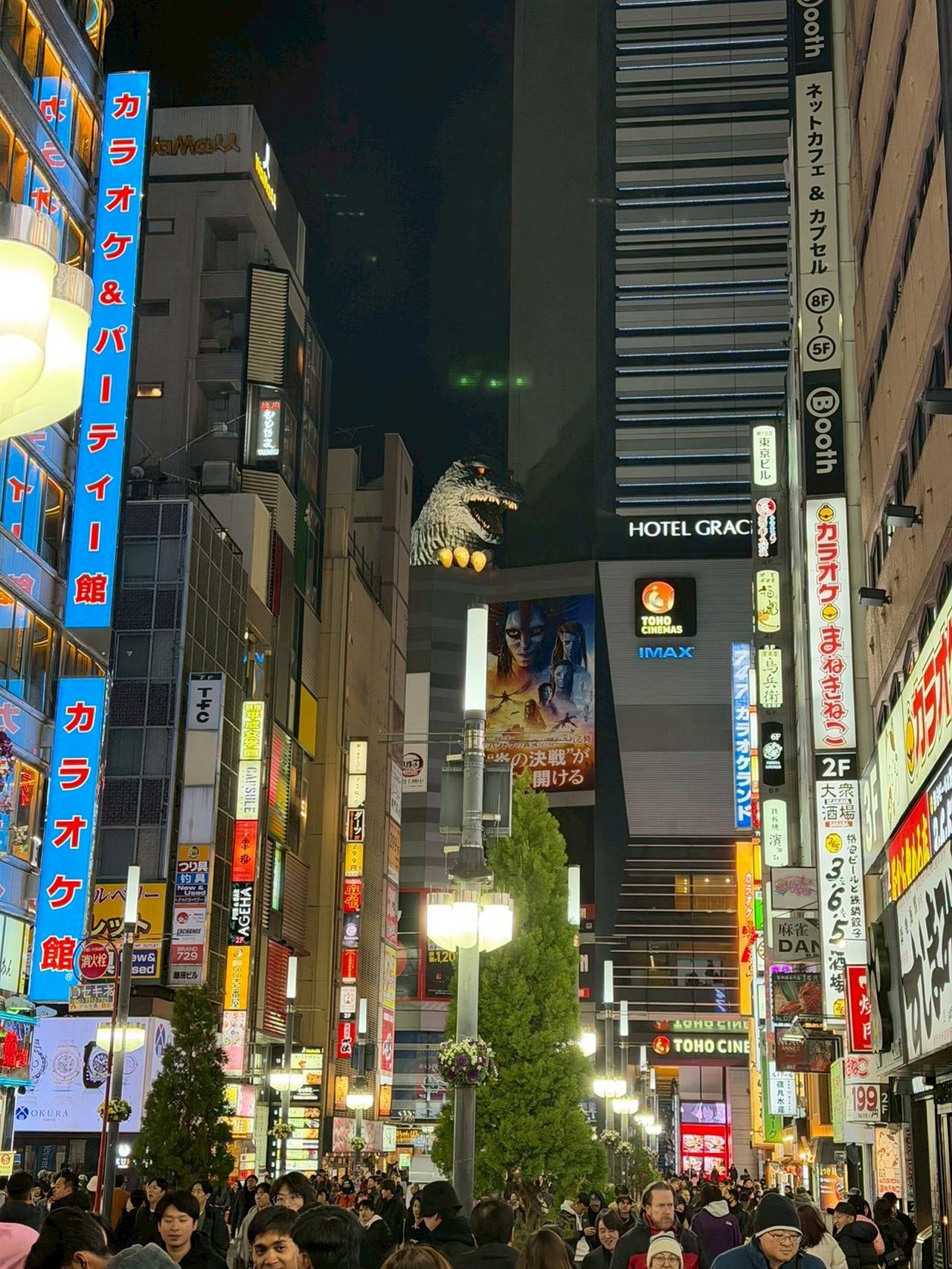
Anime pilgrimage — seichi junrei, 聖地巡礼 — is the cheapest thing here. The term literally means pilgrimage to sacred ground, borrowed from religious usage and applied to visiting the real places behind anime scenes. Some towns lean into it with official maps and stamp rallies. In Tokyo the platform sells a guided version at $19.02 — an Anime Location Tour visiting sites from Your Name., Jujutsu Kaisen and Tokyo Ghoul, rated 4.7 from 12 reviews, meeting at the lion statue by Shinjuku Station’s east exit. It excludes only the transport to Shinjuku and any food you buy, which the operator estimates at under ¥500 a stop. As a way to spend an afternoon in a city you cannot get a museum ticket for, it is very hard to beat.
What the featured $92.57 walk is actually selling
Not anime. Read its own reviews and the guests tell you so themselves.
The inclusions are four lines long — walking tour, guide, admission to the Ghibli Museum, anime-themed snacks — and the exclusion list is one word: gratuities. The itinerary allocates an hour to food tasting in the alleys by Kichijoji Station, twenty minutes in Inokashira Park, and two hours of free time inside the museum, finishing there rather than looping back.
The most useful review in the sample is a five-star one that undersells the product: “Not much anime but did get us ghibli tickets which are hard to get on your own and the food and history were great.” Another: “Was a great addition and allowed us to get admission to the museum as it was sold out otherwise.” A third: “Without this tour, we wouldn’t have had the opportunity to visit the Ghibli Museum.” Guides get named — Lin appears in four of the eight sampled reviews — which is usually the sign of a small operator rather than a coach fleet.
So set your expectations correctly. The word “anime” in the title is doing less work than the word “admission” in the inclusions. What you are buying is a Japanese neighbourhood food walk led by someone who already won you a museum ticket. At $92.57 against a ¥1,000 gate price, most of what you pay for is that ticket and the certainty attached to it.
Three things the listing states that are easy to miss: it asks for passport names at booking, it tells you to bring a passport or ID card and cash, and it lists itself as not suitable for people with mobility impairments, people with diabetes, or people over 70. That last line is unusual and the operator does not explain it — if it applies to you, ask before booking rather than at the meeting point.
Is the $91.30 walk worth it if it cannot get you inside?
Yes, for one specific person, and no for everybody else. Be honest with yourself about which you are.
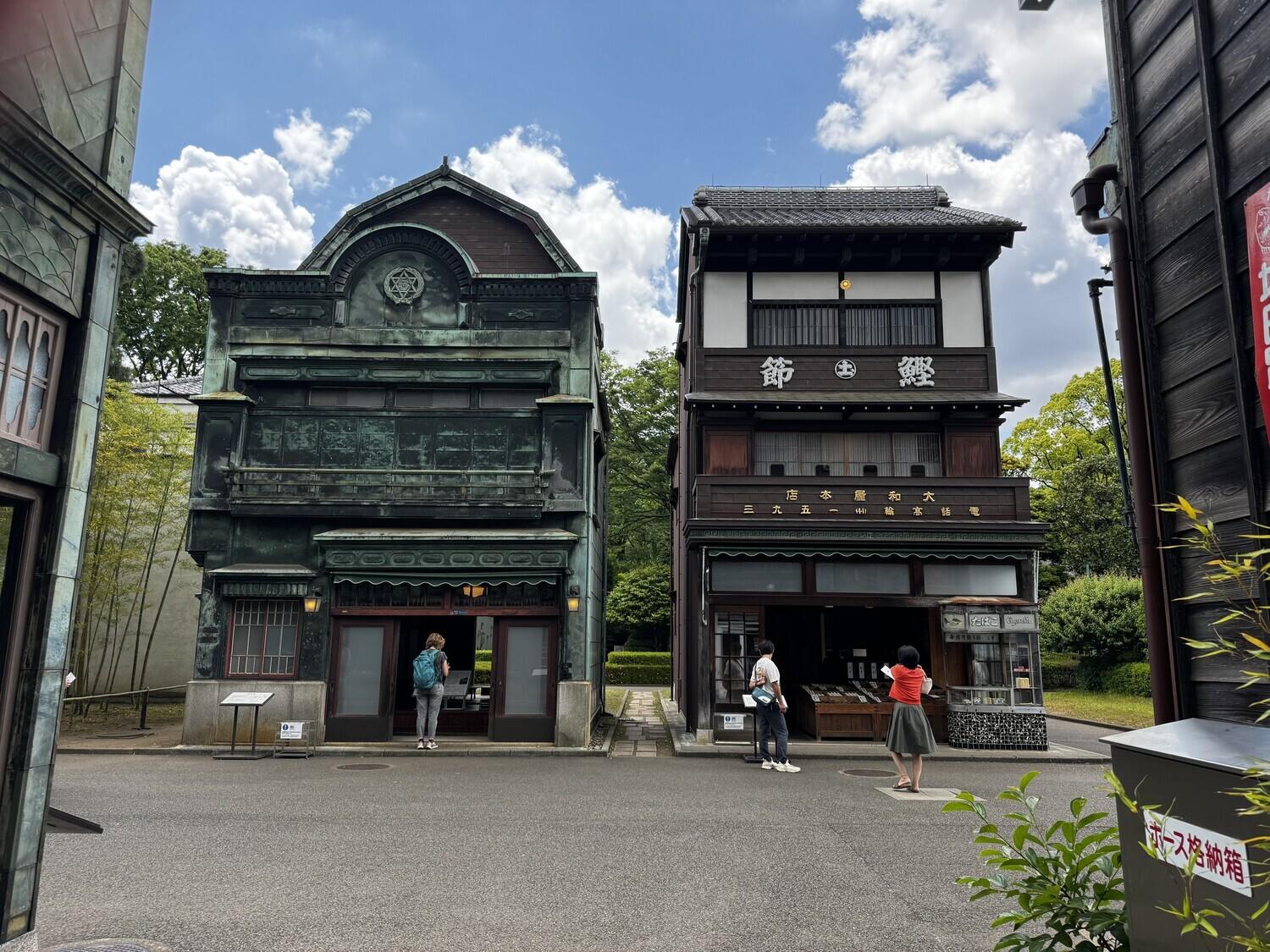
What that walk actually delivers is the studio’s own ground. Studio Ghibli’s production base is in Koganei, and the walk visits locations connected to the studio’s history and to the landscapes behind the films. Its final stop, an hour long, is listed only as a “secret stop” — but guests name it repeatedly, and it is the Edo-Tokyo Open Air Architectural Museum in Koganei Park, an open-air collection of relocated historic buildings whose bathhouse is the widely reported source for the bathhouse in Spirited Away. Its own adult admission is ¥400; the tour listing neither includes nor excludes it, so ask when you book. Miyazaki has a documented relationship with that museum — he designed its mascot.
The reviews are unusually consistent about what makes it work, and it is not the itinerary. Guides get named: “Rui was an awesome guide — the entire experience was like a personalized behind the scenes view into Miyazaki’s inspirations.” One guest went to see the composer Joe Hisaishi’s house and his brother’s bakery. And one review is the most useful sentence in the whole sample: “Very great Insider Tour, with a very nice guide. But make sure you have watched more ghibli movies than Totoro!!!”
That is your test. If your Ghibli knowledge is one film deep, this walk will feel like a nice stroll around a suburb. If you can tell a Whisper of the Heart street from a Spirited Away one, it is the best product in the group.
Where it does not deserve the benefit of the doubt: three of its published stops are “secret stops” with no name attached, the museum appears only as a ten-minute pass-by, and the round-trip train fare of roughly ¥400 is on you.
If that is you, book it directly on the platform rather than through this page — we have pointed our booking widget at a tour that gets you inside, and we would rather send you to the right product than the one we earn on.
Two products that keep appearing in this search and are not anime museums
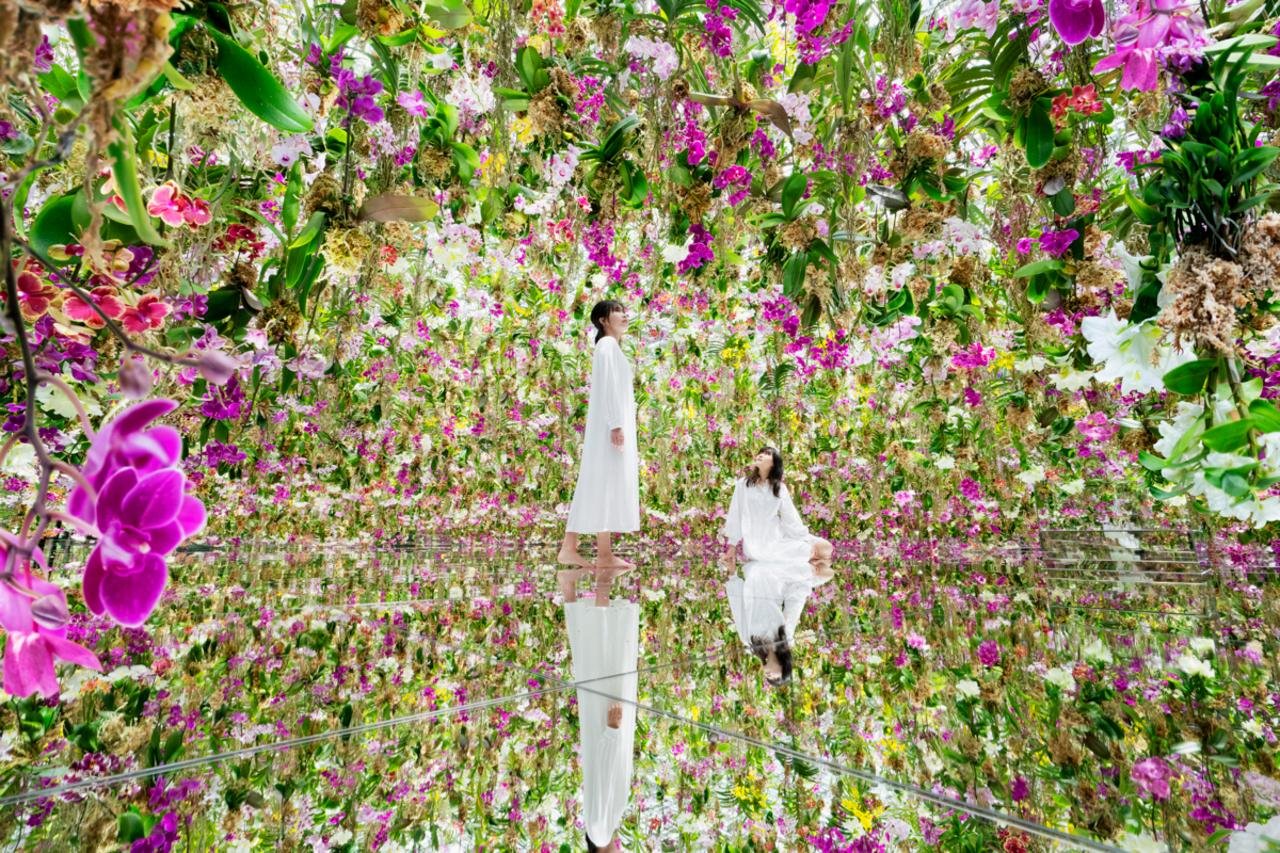
teamLab Planets TOKYO shows up in almost every “anime museum tokyo” search result set, and it has 13,263 reviews at 4.6 — more than every other product on this page combined, by a factor of about a hundred. It is a digital art museum, not an anime museum: barefoot immersive installations in Toyosu, $22.82 for entry, no anime content whatsoever. It ranks here because it is a famous Tokyo museum with the word “museum” in the title and enormous booking volume. It is a good afternoon. It is not what you searched for.
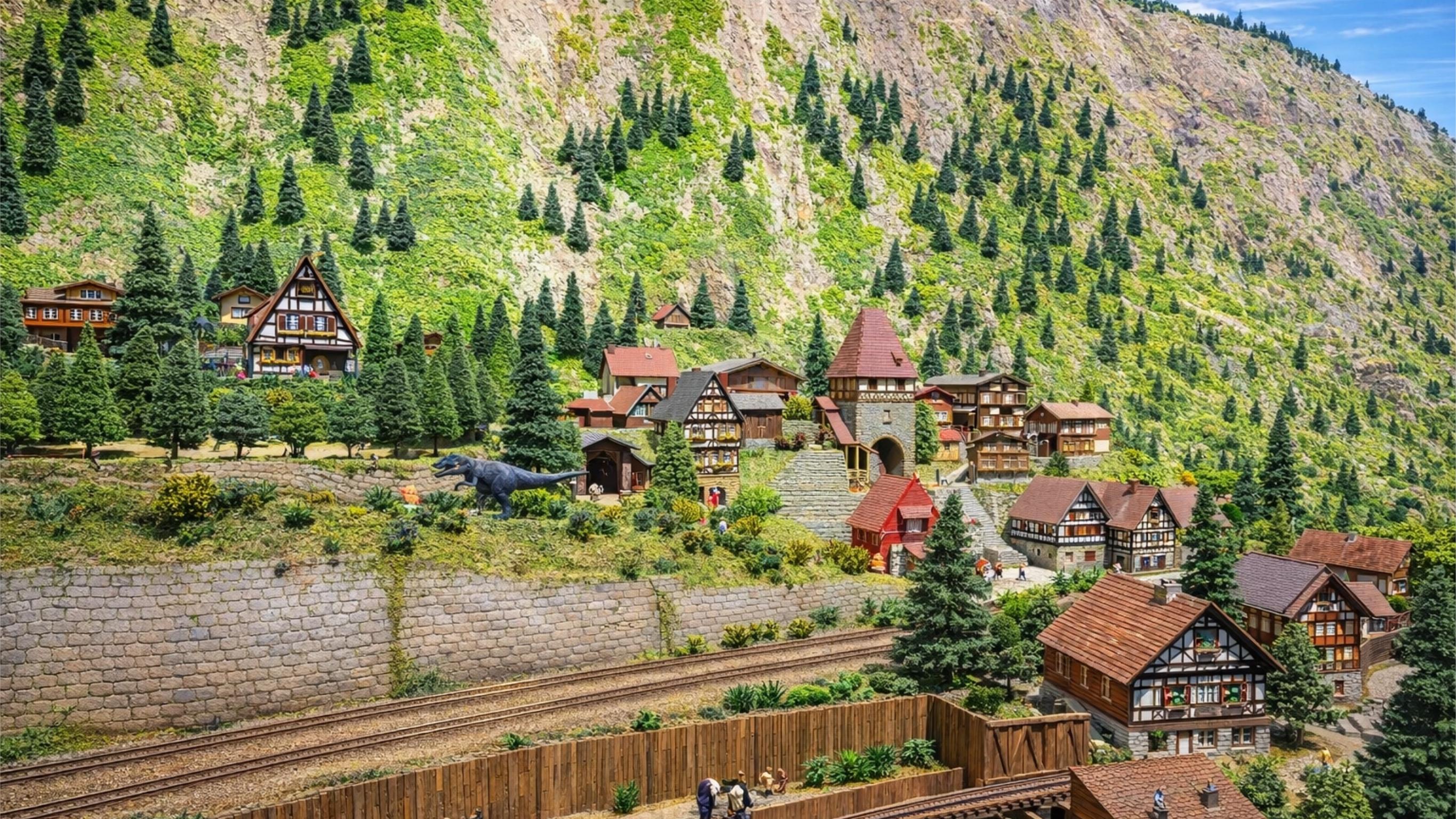
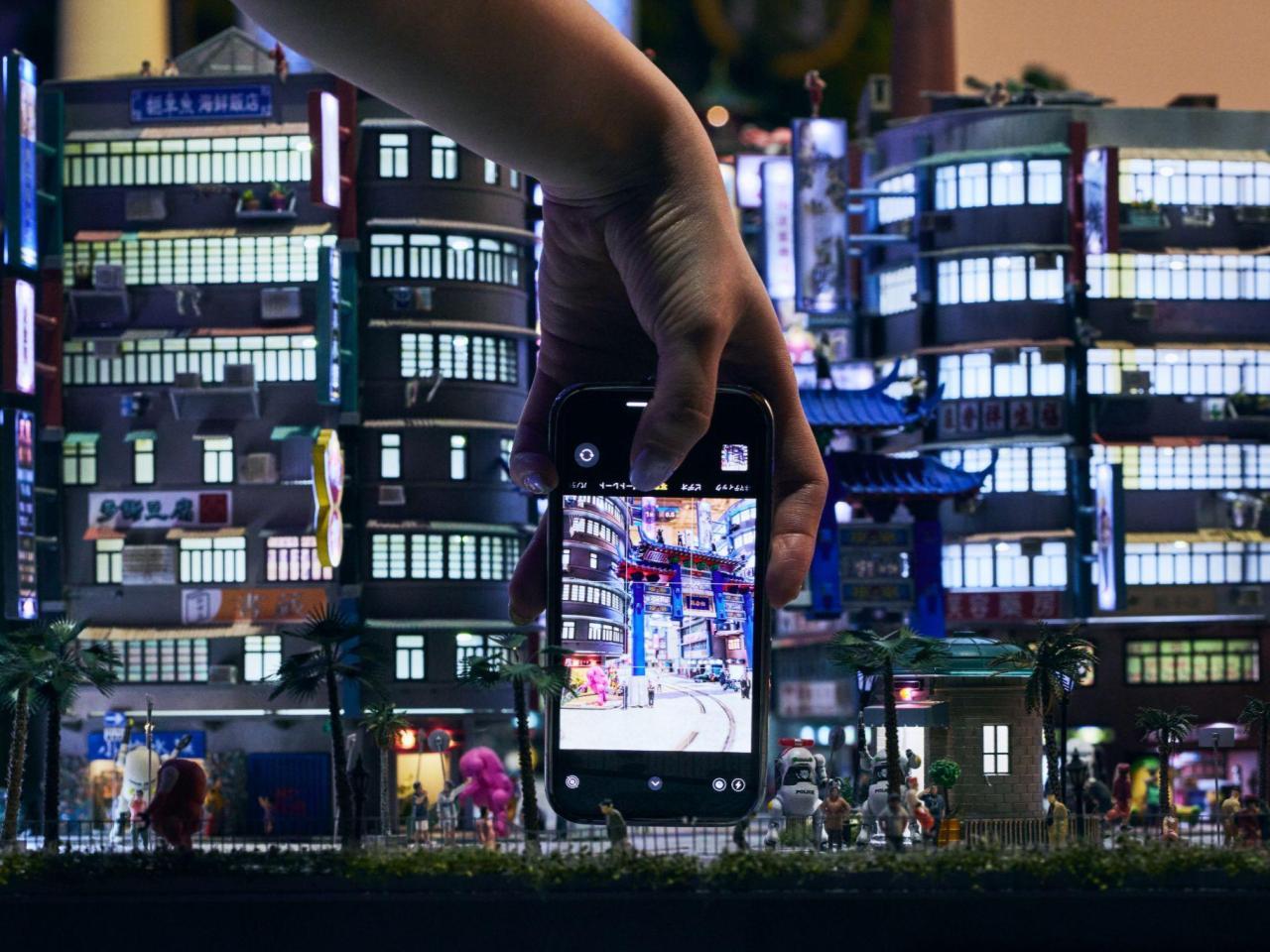
SMALL WORLDS TOKYO ($20.29, 4.6 from 12) is a closer call and worth knowing about: a 7,000 m² miniature museum at 1:80 scale whose nine areas include a dedicated Evangelion zone alongside a space centre and a working Kansai Airport. If you want an anime-licensed exhibit at a low price and the Ghibli tickets are gone, this is a real answer. There is also a $51.25 guided version that pairs it with priority entry to the Kirby Café — rated 4.9 from 19 guests, and the highest-rated product in our entire lineup.
So which one should you book?
- You must get inside the Ghibli Museum and you want the safest bet. Book the featured $92.57 Kichijoji Food and Anime Walking Tour: admission included, two hours inside, 4.8 from 116 guests — fourteen times the review depth of the cheaper option — and a one-word exclusion list. It is the one that asks for passport names.
- You must get inside and price is the constraint. The $83.69 Kichijoji Walking Tour & Famous Anime Museum is nine dollars cheaper and its inclusion line reads “Entry ticket to Ghibli Museum”. Eight reviews is a thin sample and one of the eight calls it “very shopping-oriented” — read all of them before you commit. Full breakdown on our Kichijoji page.
- You want the food tour and the museum and money is not the deciding factor. The $221.90 Ghibli Museum, Kichijoji and Food Tour includes museum tickets, a mini food tour and Inokashira Park, and one guest reports three hours to wander the museum. Note it excludes all transport and any pickup. It anchors our Ghibli Museum ticket page.
- You are a deep Ghibli reader and the museum is a bonus, not the point. Take the $91.30 Origins walk instead of anything on this page — accept that the museum is a pass-by, and go for the studio’s own neighbourhood and the Koganei bathhouse.
- Tickets are gone and you have one afternoon. Ogikubo for the free Suginami Animation Museum, then Nakano Broadway on the way back. Both are on the Chuo Line.
- You are actually shopping for anime, not visiting a museum. That is Akihabara, which is a different day and a different kind of place — our sister site tokyoanimetour.com covers it properly, and this site deliberately does not.
- You are travelling to Aichi anyway. Then Ghibli Park, on its own tickets, on its own day. It is not a Tokyo option.
We are not affiliated with Studio Ghibli. This is an independent visitor guide with no affiliation to, endorsement from, or connection with Studio Ghibli, the Ghibli Museum Mitaka, Ghibli Park, Mitaka City, Musashino City, the Suginami Animation Museum or any operator named here. Studio Ghibli, Ghibli Museum and Ghibli Park are trademarks of their respective owners and are used on this page for factual identification only. We use no character art, film still, logo or studio mark. Tours shown here are sold by GetYourGuide, and we earn a commission if you book through our links at no extra cost to you.
How these facts were checked
Written 10 August 2026.
- Ghibli Museum admission fees (¥1,000 / ¥700 / ¥400 / ¥100 / free under 4), the 10th-of-the-month 10:00 JST release, the advance-reservation-only rule, the date-and-time-specific ticket, the resale prohibition and the Tuesday closure are from the museum’s own site, ghibli-museum.jp, read on both the English and the Japanese ticket pages. The two pages agree.
- We could not verify how fast tickets sell out. The widely-quoted “under fifteen minutes” appears only in secondary travel write-ups, so we have not printed it as fact. What we have printed instead are three tour reviewers describing tickets as sold out or impossible to buy, which is evidence of scarcity, not a measurement of it.
- We could not confirm from a primary source that the ticket is printed with the purchaser’s name and checked against photo ID at the door. Every secondary guide says so; the museum’s own pages say only that tickets are date-and-time-specific and that resale is prohibited. What we can show you is the operator-side corroboration, which is strong: the $92.57 tour will not issue tickets without full passport names in advance. We have described that mechanic rather than asserting the door policy.
- Ghibli Park’s location in Aichi, its separate ticketing and the “not valid at Ghibli Museum, Mitaka, and vice versa” line are quoted from ghibli-park.jp’s own overseas ticket page, as are the ¥3,300 Standard and ¥7,300 Premium weekday adult prices.
- The Suginami Animation Museum’s free admission, official name, address, 10:00–18:00 hours, Monday closure and Ogikubo access are from GO TOKYO, the Tokyo Metropolitan Government’s official travel site, cross-read against the museum’s listing on gltjp.com for the exhibit detail (dubbing booth, digital workshop, anime library, theatre).
- The Ghibli Museum’s 15-minute walk from Mitaka Station’s south exit, the community bus every 15 minutes and its ¥230 adult fare, and the 10:00–18:00 hours are from the museum’s own hours-and-directions page.
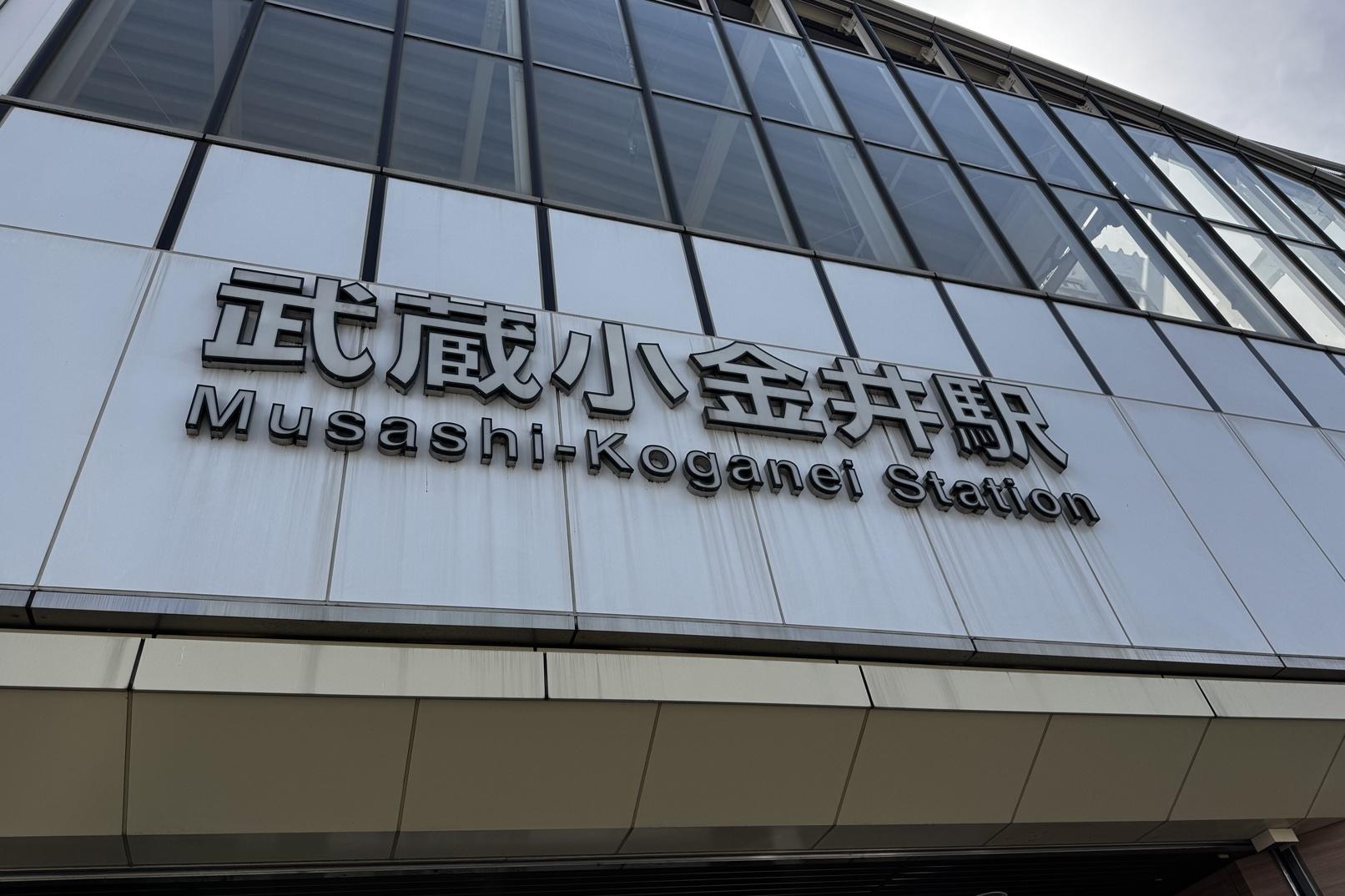
- The Edo-Tokyo Open Air Architectural Museum’s ¥400 adult admission, its location in Koganei Park, its Musashi-Koganei access and the Spirited Away bathhouse connection are reported by Tokyo Metropolitan Government’s own resident-support site and by NAVITIME’s guide. The featured tour never names this stop — it lists a “secret stop” — so the identification comes from its guests’ reviews, and we have said so rather than presenting it as an inclusion.
- Nakano Broadway’s 1966 opening, four floors, the Mandarake concentration and the five-minute walk from Nakano Station north exit are from japan-guide.com and Mandarake’s own retail description. Seichi junrei is defined per its standard usage in Japanese pop-culture tourism writing.
- Every price, rating, review count, inclusion, exclusion, itinerary line and reviewer quote comes from the booking platform’s own listings for the specific tours named, captured in August 2026. They change. Where an operator’s URL slug and its own exclusions contradict each other, we have quoted the exclusions and told you about the slug.
- Opening hours, fees and ticket mechanics change without notice. Confirm on ghibli-museum.jp before you book flights around a museum date.
Guest Reviews
What Kichijoji Museum-Walk Guests Say
4.8/5
from 116 verified guests
"Good fun to hear about the village with some snacks before the studio ghibli museum. Was a great addition and allowed us to get admission to the museum as it was sold out otherwise."
"Our tour guide, Lin, told us a lot of interesting things about the area and answered all our questions. It was really a very entertaining and also delicious experience. Without this tour, we wouldn't have had the opportunity to visit the Ghibli Museum. So we are very satisfied."
"Lin was an amazing guide with lots of knowledge. Also the Ghibli Museum is a magical place to experience for every anime fan."
"Lin was a great guide, full of information about the area, the food and the local history. the food was awesome, the Ghibli cream puffs an absolute winner. The instructions for joining wete idiot-proof (even I couldn't mess it up!). We would highly recommend this tour."
"A good guide who had a lot of historical knowledge. Highly recommended"
"Very helpful guide! Great tour. Not much anime but did get us ghobli tickets which are hard to get on your own and the food and history were great. Well worth the time and money. Honestly wish it was longer."
"The live guide was great. We learned a lot, and even though it was in English, Lin speaks very well and is very easy to understand (no strong accent and speaks very clearly, which makes it even easier to understand). The tour itself was very interesting and allowed us to taste specialties directly from small businesses."
Read all 116 verified reviews
See All ReviewsBook the Kichijoji Walk With Museum Admission
Retro alleys and local food, twenty minutes in Inokashira Park, anime-themed snacks, and admission to the Ghibli Museum with two hours inside — rated 4.8/5 by 116 verified guests, from $92.57, free cancellation up to 24 hours before. Gratuities are the only listed exclusion. Passport names are required at booking so the operator can prepare your museum ticket, because the museum's tickets are date-and-time-specific. Starting from $93 per person.
Check Availability & BookCan't Make These Dates?
Browse More Available Options
Find a tour that fits your schedule — all with instant confirmation and free cancellation.
Anime Museum Tokyo — Frequently Asked Questions
The questions people actually type before booking, answered in the first sentence and explained in the ones after. Every figure is sourced; where we could not source one, we say so.
Yes, if you can get a ticket at the ¥1,000 gate price and you accept what it is: a small, dense, unguided building you may not photograph. The thing that justifies the trip is the Saturn Theater, an 80-seat basement cinema showing Ghibli short films made for the museum and screened nowhere else — admission covers exactly one screening per visit, and the programme rotates monthly. Where it stops being worth it is at the resale market: a ticket is ¥1,000, and the museum states that resold tickets do not admit you. If you are paying a large multiple through a tour, read our ticket breakdown and be clear you are buying the access, not the museum.
It depends entirely on whether you want to buy anime, learn how anime is made, or stand where anime was drawn. To buy, Nakano Broadway is denser and cheaper than the obvious answer — four floors, dozens of Mandarake specialist shops, five minutes from Nakano Station's north exit. To understand the craft, the Suginami Animation Museum near Ogikubo is free and has a dubbing booth and a digital colouring workshop. To stand in the landscapes, the western Chuo Line corridor — Kichijoji, Mitaka, Koganei — is where Studio Ghibli has actually worked, and it is what this site covers.
In Mitaka, western Tokyo — the full address on the museum's own site is 1-1-83 Shimorenjaku, Mitaka-shi, Tokyo 181-0013. It sits on the Mitaka side of Inokashira Park. From Mitaka Station's south exit it is a 15-minute walk, or a community bus every 15 minutes during opening hours at ¥230 for an adult. From Kichijoji Station, Tokyo's official travel site puts it at about 15 minutes on foot through the park. Both stations are on the JR Chuo Line, which the museum's page puts about 20 minutes from Shinjuku. Our Kichijoji guide covers the walk.
Yes — but it is a shopping and arcade district, not a museum district, and it is a different day from everything on this page. Akihabara is where you go for multi-floor retail, gachapon, arcades, card shops and maid cafés; nothing in it is an anime museum in the sense people mean when they search for one. This site deliberately covers the western axis — Kichijoji, Mitaka, Koganei and the Ghibli cluster — and does not compete on Akihabara. If Akihabara is what you actually want, treat it as a separate afternoon and go on its own terms.
Whichever one is in the prefecture you are already in — they are in different prefectures, a Shinkansen apart, and you cannot combine them in a day. The Ghibli Museum is in Mitaka, Tokyo, ¥1,000, small, indoors and unguided. Ghibli Park is in Aichi Prefecture inside the Expo 2005 Aichi Commemorative Park, a large outdoor site with five areas, ¥3,300 for a weekday adult Standard Pass and ¥7,300 for the Premium. Ghibli Park's own ticket page warns that its tickets are not valid at Ghibli Museum, Mitaka, and vice versa. Choose on geography, not on preference.
Because a globally famous museum with a small daily capacity sells its entire following month in one release, at ¥1,000, with no door sales at all. The museum's own pages state that entry is strictly by advance reservation for a specified date and time, that tickets are sold through LAWSON TICKET, and that availability opens at 10:00 a.m. JST on the 10th of each month for the next month. Resale is prohibited, so the usual pressure valve does not exist. We could not verify how fast dates clear — the widely-quoted numbers have no primary source, so we do not print them.
There is no single answer, because the three strongest candidates do completely different jobs. The Ghibli Museum in Mitaka is the most famous and the hardest to enter, and it is a studio's own showcase rather than a survey of the medium. The Suginami Animation Museum near Ogikubo is free and is the best explanation of how anime is actually made — a history wall, animators' desks, a zoetrope, a dubbing booth. The Fujiko F. Fujio Museum in Kawasaki is the Doraemon one, also ¥1,000 and also advance-ticket-only through Lawson. Pick by what you want to leave knowing.
There is no stable answer, because the ranking depends entirely on what you measure — box office, TV ratings, manga volumes sold, streaming hours or a magazine poll — and each produces a different winner. The one measure with a hard, published number is Japanese box office, and there the top of the all-time domestic chart is an anime: Demon Slayer — Mugen Train, at ¥40.75 billion. Its sequel Infinity Castle passed ¥40.02 billion in Japan as of 29 March 2026, second overall and closing. Anyone quoting a single "number one anime" without naming the metric is quoting an opinion.
Yes — the Tokyo Polytechnic University Suginami Animation Museum, and it is free to everyone with no reservation. It is on the third floor of the Suginami Kaikan building at 3-29-5 Kamiogi, near Ogikubo Station on the JR Chuo and Marunouchi lines. Hours are 10:00 to 18:00 with last entry at 17:30, closed Mondays and over New Year. Inside there is a history wall of Japanese animation, recreated animators' desks, a zoetrope, an anime library, a theatre and hands-on stations including a dubbing booth and a digital colouring workshop. It is the single most useful answer if Ghibli tickets are gone.
Three do, and two openly say they do not — all five say so in their own inclusion and exclusion lists. Including entry: the Kichijoji Walking Tour and Famous Anime Museum at $83.69 ("Entry ticket to Ghibli Museum"), the Kichijoji Food and Anime Walking Tour at $92.57 ("Admission to the Ghibli Museum"), and the Ghibli Museum, Kichijoji and Food Tour at $221.90 ("Ghibli Museum tickets"). Excluding it in identical words: the Studio Ghibli Origins Walking Tour at $91.30 and the Spirited Away walk at $71.01. Full analysis on our ticket page.
No. It is a digital art museum, and it appears in anime-museum searches because it is a famous Tokyo museum with an enormous booking volume. teamLab Planets TOKYO in Toyosu is barefoot immersive installations — water rooms, mirrored floors, projected light — with no anime content at all. On the booking platform it carries 13,263 reviews at 4.6 from $22.82, which is more review depth than every genuine anime product in this cluster combined. It is a good afternoon and a fair price. It is simply not what you searched for, and we would rather say so than let the review count decide for you.
Anywhere from nothing to about $222, and the spread is almost entirely about museum access rather than about the tour. Free: the Suginami Animation Museum, and walking Inokashira Park. ¥1,000: the Ghibli Museum at its own gate, if you win the monthly release. $19.02: a guided anime-pilgrimage walk from Shinjuku. $20.29: SMALL WORLDS TOKYO entry. $22.82: teamLab Planets. $51.25: a guided miniature-museum and Kirby Café day. $83.69 to $221.90: the three walking tours that hold a real Ghibli Museum ticket for you.
No. The museum's own visitor information asks plainly that you do not take photos or videos inside. That is why almost every image of the museum you have seen is of the exterior, the rooftop or the garden. It also explains why the tour listings on this page illustrate themselves with Kichijoji streets, Inokashira Park and food rather than with interiors — the operators cannot photograph inside either. Plan for it: the museum is an experience you look at, and the photographs you bring home will be of the neighbourhood around it.
Closed every Tuesday; open 10:00 to 18:00 on the days it opens. Both figures are from the museum's own pages — the Japanese ticket page states 毎週火曜は休館, closed every Tuesday, and the hours-and-directions page gives 10:00–18:00. The museum also publishes an availability calendar alongside each ticket release, so check your intended date there rather than assuming every non-Tuesday is open. Your ticket is valid only for the date and entry time printed on it, with no fixed exit time, so a late start costs you the visit rather than shortening it.
Still have questions? Email us at info@animemuseumtokyo.com