"Overall, a nice tour, with a few interesting shopping spots related to Ghibli."
Kichijoji · Inokashira Park · 15 Minutes on Foot to Mitaka
Kichijoji, Inokashira Park & the Walk to the Ghibli Museum
The Ghibli Museum's address is in Mitaka, but almost every tour meets in Kichijoji — because the good way in is a walk through Inokashira Park, and because Kichijoji is where you would want to spend the other half of the day anyway.
From
$84
per person
Free cancellation
- 4.6 / 5 8+ Reviews
- 15 min Station to Museum on Foot
- 09:55 Meet Inside Atre, 1F
- Free Cancellation
The Experience
What the Kichijoji Walk & Anime Museum Tour Includes
From the operator's own listing: a guaranteed-entry ticket to the Ghibli Museum, anime and character-goods shops, Inokashira Park, and a light snack.
Highlights
- Ghibli Museum admission included: You are free to tour after entering
- Explore local anime manga and character goods shops
- Stroll through the bustling streets of Kichijoji and sample local sweets
- Walking tour of Kichijyouji led by a friendly local guide
What's Included
- Entry ticket to Ghibli Museum
- Enjoy a light snack
- Walking tour
- Guide
How the Kichijoji Day Runs
Meet inside the air-conditioned station building at 09:55, two shopping stops, the park, then the museum — where the tour hands you over and ends.
Meet at 09:55 Inside Atre, Not on the Street
The meeting instructions are the most considerate on the platform: Hanabi no Hiroba on the first floor of Atre, in front of the flower shop Les Millefeuilles de Liberté, inside the air-conditioned building, where staff wait with a tour sign. Your guide messages you on WhatsApp the day before to confirm. One warning the operator states bluntly: if you are late for the start you cannot join, cannot get a refund and cannot transfer — because the museum ticket behind the booking is for a fixed time.
Two Shopping Stops the Operator Will Not Name
Five minutes on foot, then two stops of ten minutes each that the itinerary lists only as secret stops, for shopping. The highlights describe them as local anime, manga and character-goods shops plus local sweets. This is the part of the tour guests are split on: one calls it fun and full of collectibles, another rates it three stars for being very shopping-oriented with no real exploration of the neighbourhood. Bring cash — the listing warns some shops require it.
Inokashira Park, Guided
Unlike the timed twenty-minute photo stop on the other Kichijoji tours, this itinerary logs the park as a guided segment with no fixed duration — photo stop, guided tour, sightseeing. Inokashira Onshi Park opened in 1917 as Japan's first suburban park and covers about 430,000 square metres, built around a boating pond with rowboats and swan pedal boats. It is also the route to the museum, so this is not a detour.
The Museum, Where the Tour Ends
The walk finishes at the Ghibli Museum entrance and hands you a ticket the operator calls guaranteed-entry. From there it is self-guided at your own pace — exhibits, the short animation in the Saturn Theater, the building itself. The tour does not wait for you and does not return you to the station. Photography inside is not permitted. The only listed exclusion for the whole tour is personal expenses.
Book Your Experience
Check Availability & Prices
Select your preferred date and time. Instant confirmation — free cancellation up to 24 hours before departure.
Three Ways to Walk Kichijoji and Mitaka
Only three listings in our merged scrape of 52 Tokyo tours name Kichijoji or Mitaka in the title. Here they are against each other, plus the free version of the same day.
| Feature | FEATURED — CHEAPEST WAY IN Kichijoji Walk & Famous Anime Museum | Kichijoji Food & Anime Walk | Do It Yourself on a ¥1,000 Ticket |
|---|---|---|---|
| Starting Price | From $84/per person | From $92.57 per person, down from a $119 base — about $9 more | ¥1,000 for the museum, if you win the monthly ticket release. The park and the alleys are free |
| Rating and Review Depth | 4.6 from 8 verified guests — a thin sample, and we would rather you knew | 4.8 from 116 verified guests — fourteen times the sample | No booking involved |
| Where You Meet | Hanabi no Hiroba on the first floor of Atre at 09:55, staff holding a sign inside the air-conditioned building, in front of the flower shop | No written address is published. The platform supplies a map pin and the itinerary logs the start only as a plus code | Wherever you like. The park entrance is minutes from the station |
| Museum Admission | Included, described by the operator as a guaranteed-entry ticket. The walk ends at the museum entrance and you explore at your own pace | Included, with two hours of free time inside per the operator's own itinerary | Only if you secured a ticket yourself at 10:00 JST on the 10th of the previous month |
| What You Do Before the Museum | Two ten-minute stops the itinerary lists only as secret stops, both tagged shopping, a light snack, then a guided walk through Inokashira Park | An hour of food tasting in the retro alleys, then twenty minutes in Inokashira Park | Harmonica Yokocho for lunch, then the full walk through Inokashira Park at your own pace |
| The Catch | Eight reviews, and one of the eight rates it three stars for being very shopping-oriented with no real exploration of the neighbourhood. Arrive late and the operator says you forfeit the tour, the refund and any transfer | Passport names required at booking, and the listing states it is not suitable for people with mobility impairments, people with diabetes, or people over 70. One guest: not much anime, but did get us ghibli tickets | You have to win a release that sells a whole month in one go, with no resale market to fall back on |
| Check Availability | See the 116-Review Walk |
The Rest of the Supply
Other Ways to Walk Kichijoji and Mitaka
The other Kichijoji-based products, the two Ghibli walks that skip the museum, and the free and cheap alternatives elsewhere in Tokyo.
 116 REVIEWS · ENTRY
Tokyo: Kichijoji Food and Anime Walking Tour - 2026 (Verified Reviews)
Discover the charm of Kichijoji, one of Tokyo’s most beloved neighborhoods, on this guided walking tour. Perfect for couples, families, and animation fans, the tour …
 FOOD TOUR + ENTRY
Tokyo: Ghibli Museum, Kichijoji, and Food Tour - 2026 (Verified Reviews)
Begin in Kichijoji, exploring its lively streets filled with boutique shops, cozy cafés, and nostalgic alleyways like Harmonica Yokocho. We will also visit Petit …
 KICHIJOJI NORTH EXIT
Tokyo: Studio Ghibli Origins Walking Tour - 2026 (Verified Reviews)
Step beyond the screen and explore the real Tokyo neighborhoods, streets, and landscapes connected to the creative world of Studio Ghibli. Studio Ghibli has created …
 NO MUSEUM ENTRY
Tokyo: Step Into the World of Ghibli’s Spirited Away - 2026 (Verified Reviews)
Spirited Away is an Academy Award-winning masterpiece and one of Japan’s most beloved animated films. On this walking tour, you will visit places said to have …
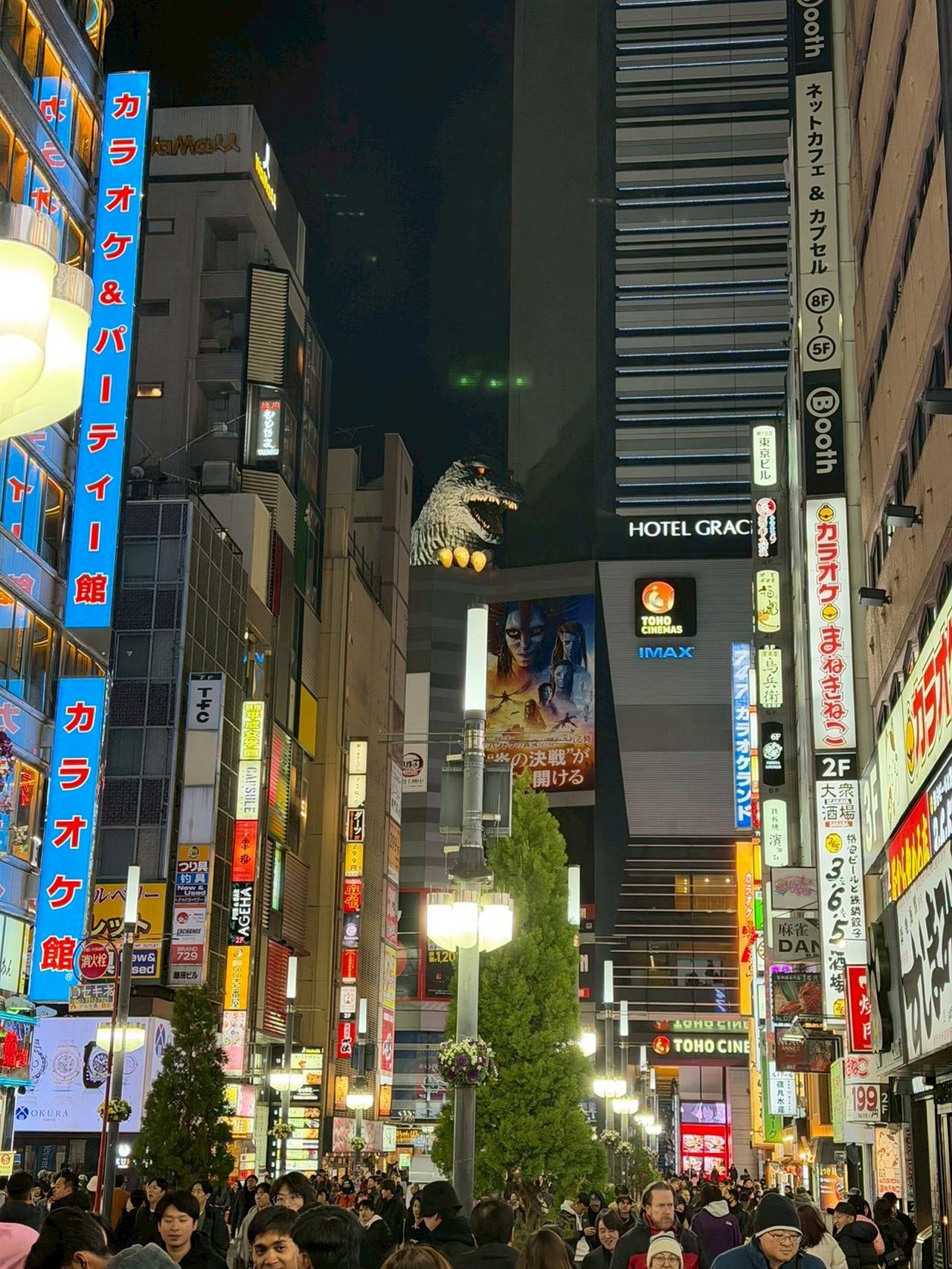 SHINJUKU PILGRIMAGE
Tokyo: Anime Location Tour—Your Name., JJK & Tokyo Ghoul - 2026 (Verified Reviews)
Begin your journey at Shinjuku Station and head to a filming location from Tokyo Ghoul. Next, visit sites featured in Jujutsu Kaisen and Weathering With You, and …
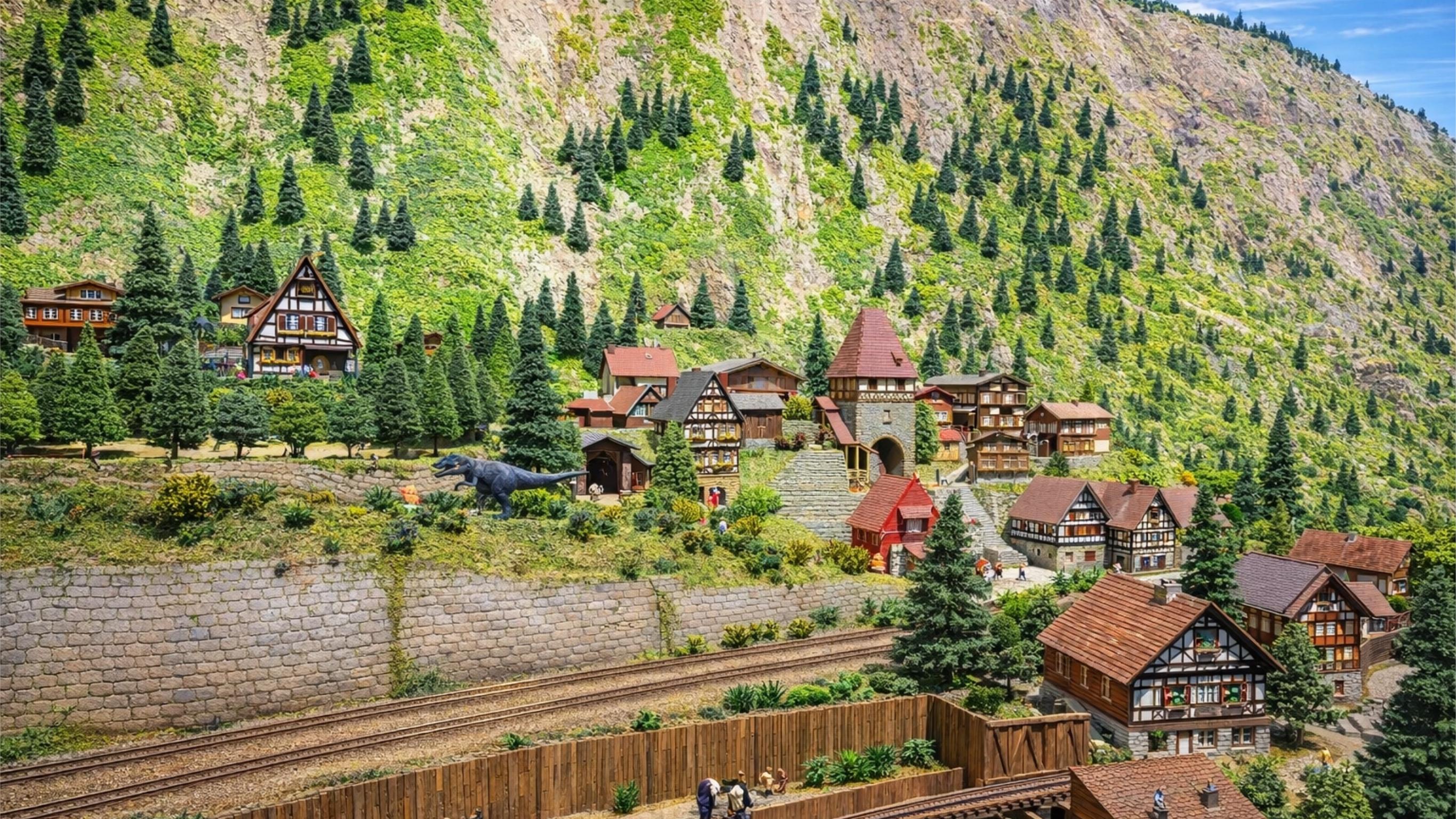 MINIATURE MUSEUM
Tokyo Exclusive: Miniature Museum & Anime-Themed Cafe Tour - 2026 (Verified Reviews)
Choose Your Package Package 1: Full Guided Experience (3 Hours) Approx. Time: 09:30 - 12:30 (Total duration ~3hrs. Final schedule depends on cafe reservation) …
The Neighbourhood
Why Everyone Says Kichijoji When the Museum Is in Mitaka
Two cities, one park, a 15-minute walk — and the best-liked neighbourhood in Greater Tokyo sitting on top of it.
The Ghibli Museum’s address is 1-1-83 Shimorenjaku, Mitaka-shi — Mitaka, not Kichijoji, and not even the same municipality. Yet every walking tour in this cluster meets in Kichijoji, and Tokyo’s own tourist board files the museum under its Kichijoji guide. That is not a mistake, and understanding why it happens is the single most useful piece of geography for planning this day.
One park, two cities, and a nicer walk
Inokashira Park straddles the boundary. The museum sits at the Mitaka end of it; Kichijoji Station sits at the other. So there are two entirely legitimate approaches and they are not equivalent.
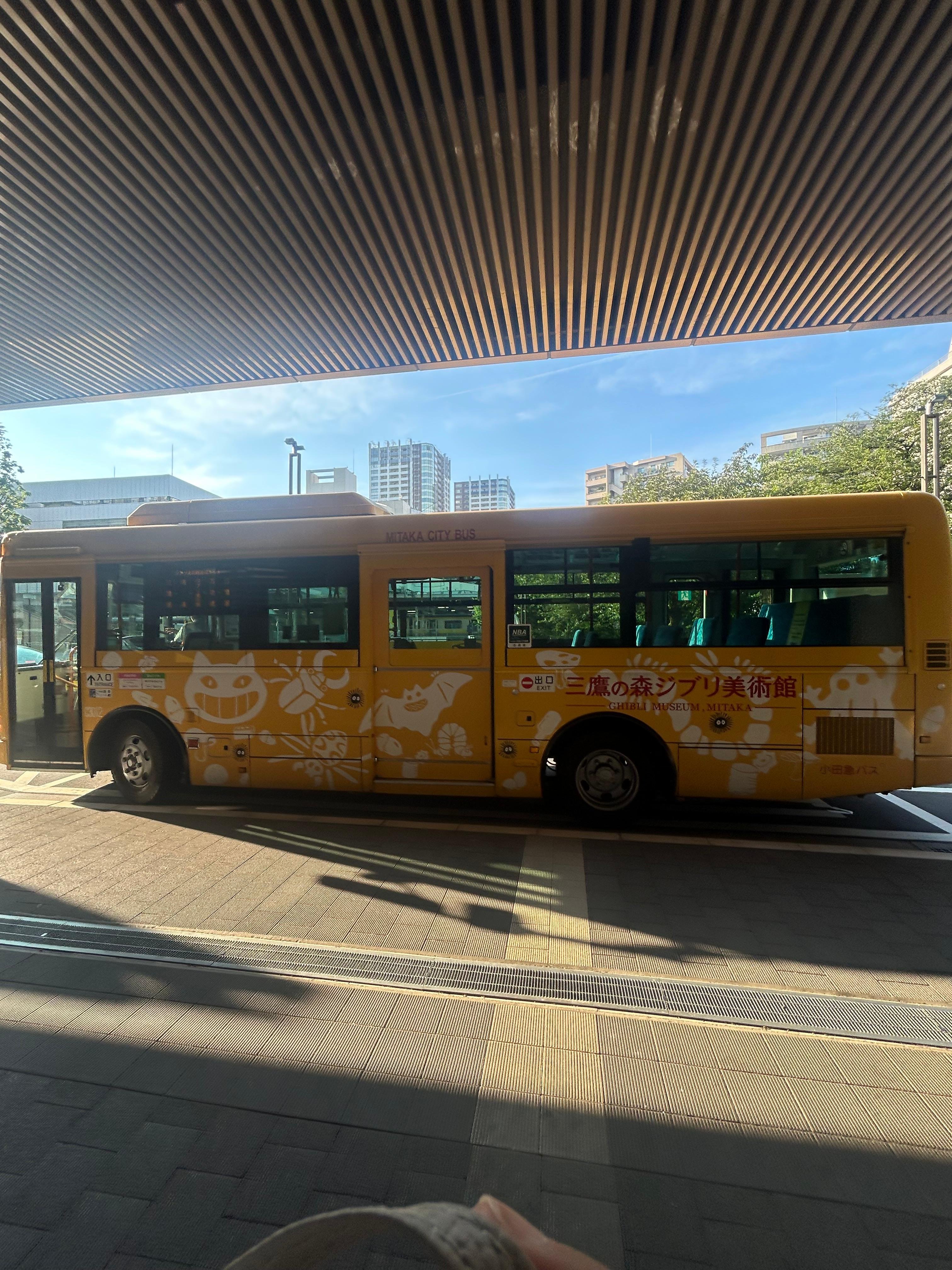
From Mitaka Station — the museum’s own directions — it is a 15-minute walk from the south exit, or a community bus that runs every 15 minutes during opening hours, at ¥230 for an adult in cash or by IC card, ¥120 cash / ¥50 IC for a child aged 7–12. That is the official, signposted, no-thinking-required route, and it is the one to take in rain or with a pushchair.
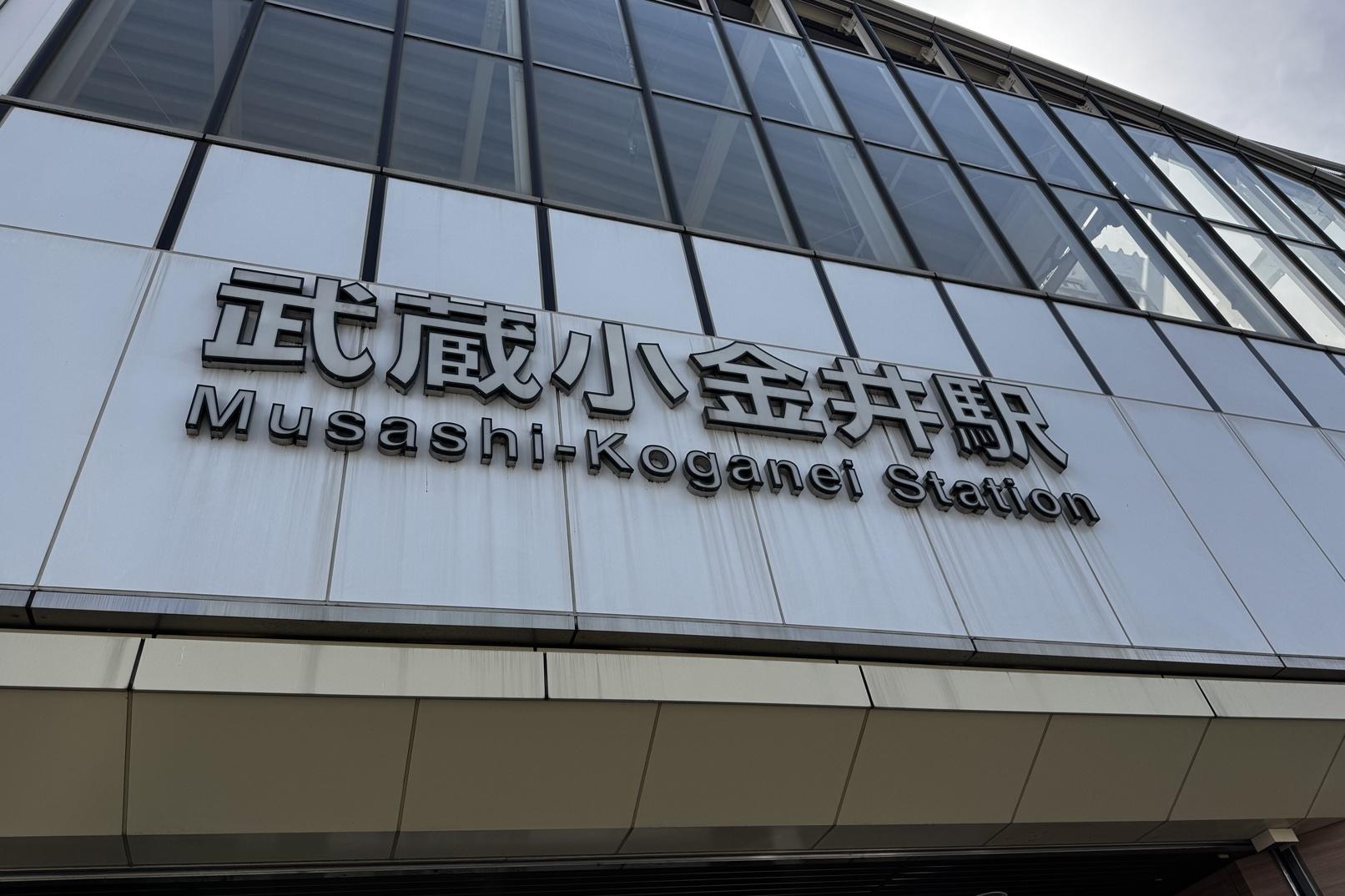
From Kichijoji Station it is, per Tokyo’s official travel guide GO TOKYO, “about a 15-minute walk to the Mitaka no Mori Ghibli Museum.” Same fifteen minutes — but the Kichijoji version runs through the park, past the pond and the swan boats, and it deposits you at a station surrounded by the best-liked shopping district in western Tokyo rather than at a commuter interchange.
That is the whole answer. Identical walking time, wildly different experience either side of it. Every operator meets in Kichijoji because their product is the neighbourhood, and the museum is the destination the neighbourhood happens to end at.
Inokashira Park is older and bigger than it looks
Inokashira Onshi Park opened in 1917 as Japan’s first suburban park, and it covers about 430,000 square metres — roughly 43 hectares, most of a small town. The pond at its centre is what people photograph: rental rowboats and swan pedal boats, cherry trees around the water in spring, and a footpath system that carries you from the Kichijoji end to the Mitaka end without ever touching a main road.
It also hosts the Inokashira Park Zoo and a Benzaiten shrine on the water. If you have an hour before a timed museum entry, this is where to spend it — and unlike almost everything else in this guide, it costs nothing.
Harmonica Yokocho: the reason the food tours exist
Right next to Kichijoji Station is Harmonica Yokocho, a lattice of extremely narrow lanes packed with around 100 shops, bars and restaurants. The name comes from the resemblance of the tightly-packed stalls to the reeds of a harmonica. Its origins are a post-war open-air market, and Tokyo’s own tourism board describes it as “at once a symbol of Japanese reinvention and nod to its origins as a flea market early after World War II.”
It has two entirely different personalities. By day it is small shops and lunch counters. In the evening the standing bars open, and the alleys become the drinking district that Kichijoji is actually famous for among Tokyo residents. A morning museum tour will show you the daytime version; if you like it, come back at seven.
The other two arcades — Sun Road and Daiyagai — cross the district with everyday shops, bakeries and clothing. Together with the yokocho they are why Kichijoji tops the survey lists: Daito Trust Construction’s 2026 “Ii Heya Net” ranking named it the Greater Tokyo Area’s most desirable place to live for the eighth consecutive year, first across every age band surveyed. That is one survey among several, and it is worth saying that it is not unanimous — Recruit’s better-known SUUMO ranking has had Yokohama at the top of its own Kantō list. But no survey puts Kichijoji anywhere but near the top, and once you have walked it you understand why.
The cheapest way through the museum door, and what it costs you
The tour featured on this page is the $83.69 Kichijoji Walking Tour & Famous Anime Museum, and it is here for one reason: it is the cheapest product on the platform whose own inclusion list holds a Ghibli Museum ticket. The operator’s wording is “Entry ticket to Ghibli Museum”, and its highlights go further than any competitor’s — “Ghibli Museum admission included: You are free to tour after entering.” Its only listed exclusion is personal expenses.
Now the honest part, because the sample is thin. It is rated 4.6 from eight verified guests. Eight. That is not enough to know very much, and you should read all of them before booking rather than trusting the average:
- “We loved the tour. It was fun and gave us lots of opportunities to grab Anime collectibles. Tour guide was friendly and helpful. Museum was amazing!!”
- “she helped us get Museum tickets” — four stars
- “Overall, a nice tour, with a few interesting shopping spots related to Ghibli.”
- Three stars: “Very shopping-oriented. No real exploration of the neighborhood.”
Those reviews are not in conflict. They are describing the same tour accurately from different expectations. The itinerary lists two ten-minute “secret stops”, both tagged Shopping, before the park — so the three-star review is not a complaint about a bad day, it is a fair reading of the published plan. If you want to be walked around a neighbourhood, this is not that. If you want a ticket, a couple of good shops and someone to hand you over at the museum gate, it is exactly that, for nine dollars less than the alternative.
The alternative deserves naming, because for most people it is the better buy. The $92.57 Kichijoji Food and Anime Walking Tour — the tour our homepage features — is rated 4.8 from 116 guests, fourteen times the review depth, and allocates a full hour to food tasting and two hours inside the museum. Its guests are consistent about what they got: “Was a great addition and allowed us to get admission to the museum as it was sold out otherwise.” “Without this tour, we wouldn’t have had the opportunity to visit the Ghibli Museum.” And the most useful line in either sample: “Not much anime but did get us ghibli tickets which are hard to get on your own and the food and history were great.”
Both tours are selling the same scarce thing. The word “anime” in either title is doing less work than the word “admission” in the inclusions. The $9 gap buys you review depth, an hour of food and a guided two hours inside instead of a handover at the door.
The three other Kichijoji and Mitaka products
Only three listings in our merged scrape of 52 Tokyo tours name Kichijoji or Mitaka in the title, and all three appear on this page. A fourth, the Studio Ghibli Origins walk, starts at Kichijoji Station without saying so in its title.
| Tour | Price | Rating (reviews) | Meets at | Museum entry |
|---|---|---|---|---|
| Kichijoji Walking Tour & Famous Anime Museum (featured) | $83.69 | 4.6 (8) | Hanabi no Hiroba, Atre 1F, 09:55 | Included |
| Kichijoji Food and Anime Walking Tour | $92.57 | 4.8 (116) | Map pin only — no written address | Included |
| Ghibli Museum, Kichijoji, and Food Tour | $221.90 | 4.6 (20) | Kichijoji Station | Included |
| Studio Ghibli Origins Walking Tour | $91.30 | 4.8 (75) | Kichijoji Station north exit, 10:55 | Excluded |
One practical difference the table understates: only the featured tour publishes a written meeting place you could find without a phone. The $92.57 walk gives a map pin and a plus code and no address at all; the Origins walk asks you to watch for a message rather than a sign. If you are travelling without data, the Atre flower shop at 09:55 is the one you can actually navigate to.
Full price and inclusion analysis is on our Ghibli Museum ticket page.
So which one should you book?
- You want in, you want it cheap, and you want a meeting point you can find. The featured $83.69 walk: guaranteed-entry ticket, English and Japanese guides, staff holding a sign inside Atre at 09:55. Read all eight reviews first — it leans towards shops.
- You want Kichijoji and the museum, and you want the safe choice. The $92.57 food-and-anime walk on our homepage: 116 reviews, admission included, an hour of food, two hours inside, one-word exclusion list.
- You want a proper small food tour with the museum attached. The $221.90 version, which puts a mini food tour and Inokashira Park before the museum. Excludes all transport and pickup.
- You have a museum ticket already and want the neighbourhood. Skip the tours. Walk from Kichijoji Station through Inokashira Park, eat in Harmonica Yokocho, and go in on your own ticket. This is the best version of the day and it costs ¥1,000.
- You care about the studio’s history rather than the building. The Studio Ghibli Origins walk does the studio’s own ground and Koganei — and does not include museum entry, whatever its URL says. We break that down on our homepage.
- Mobility, rain, or a pushchair? Take the museum’s own route: Mitaka Station south exit, community bus, ¥230, every 15 minutes during opening hours. The Inokashira walk is lovely and it is still a 15-minute walk.
We are not affiliated with Studio Ghibli. This is an independent visitor guide with no affiliation to, endorsement from, or connection with Studio Ghibli, the Ghibli Museum Mitaka, Ghibli Park, Mitaka City or Musashino City. Studio Ghibli, Ghibli Museum and Ghibli Park are trademarks of their respective owners, used here for factual identification only. We use no character art, film still, logo or studio mark. Tours shown here are sold by GetYourGuide, and we earn a commission if you book through our links at no extra cost to you.
How these facts were checked
Written 10 August 2026.
- The museum’s address (1-1-83 Shimorenjaku, Mitaka-shi), the 15-minute walk from Mitaka Station’s south exit, the community bus every 15 minutes, and its ¥230 adult / ¥120 cash / ¥50 IC child fares are from the Ghibli Museum’s own hours-and-directions page.
- The “about a 15-minute walk to the Mitaka no Mori Ghibli Museum from Kichijoji Station” is quoted from GO TOKYO, the Tokyo Metropolitan Government’s official travel site. The museum’s own site gives directions from Mitaka only and does not describe the Kichijoji approach at all — which is itself worth knowing, and is why we have attributed the Kichijoji figure to Tokyo’s tourism board rather than to the museum.
- We could not verify a published Mitaka City community-bus route map or timetable in English. The museum’s own page gives the frequency and the fare and stops there, so that is all we have printed. Do not plan a tight connection around a bus we could not timetable.
- Inokashira Onshi Park’s 1917 opening as Japan’s first suburban park and its 430,000 m² area come from NAVITIME’s Japan Travel guide entry for the park; the boating pond, rowboats and swan boats are described the same way by GO TOKYO.
- Harmonica Yokocho’s roughly 100 shops, its post-war market origins, the harmonica-reed naming and its day-versus-night character, and the Sun Road and Daiyagai arcades, are from GO TOKYO’s own Harmonica Alley and Kichijoji pages.
- The livability ranking is one survey, not a fact. Daito Trust Construction’s 2026 “Ii Heya Net” ranking places Kichijoji first in Greater Tokyo for the eighth consecutive year; Recruit’s SUUMO Kantō ranking has placed Yokohama first. We have named both rather than quoting the flattering one.
- Every tour price, rating, review count, inclusion, exclusion, itinerary allocation, meeting instruction and reviewer quote is from the booking platform’s own listing for that specific tour, captured in August 2026, and drifts over time.
- The Kichijoji/Mitaka supply count — three of 52 merged Tokyo listings naming either place in the title — is our own count over the scraped data on the date above, not a platform statistic.
Guest Reviews
What Kichijoji Walking-Tour Guests Say
4.6/5
from 8 verified guests
"Top!"
"Very shopping-oriented. No real exploration of the neighborhood."
"Lovely"
"We loved the tour. It was fun and gave us lots of opportunities to grab Anime collectibles. Tour guide was friendly and helpful. Museum was amazing!! Would recommend this tour!"
"she helped us get Museum tickets"
Read all 8 verified reviews
See All ReviewsThe Cheapest Walk That Includes Museum Entry
Anime and character-goods shops, a light snack, guided Inokashira Park, and a guaranteed-entry ticket to the Ghibli Museum where the tour ends and you explore at your own pace — $83.69, free cancellation up to 24 hours before, English and Japanese guides. Be straight with yourself about the sample first: this is rated 4.6 from just 8 verified guests, and one of the eight calls it very shopping-oriented. The 116-review alternative is $9 more. Starting from $84 per person.
Check Availability & BookCan't Make These Dates?
Browse More Available Options
Find a tour that fits your schedule — all with instant confirmation and free cancellation.
Kichijoji, Inokashira & Mitaka — Frequently Asked Questions
Which station, which walk, what to eat and what the neighbourhood is actually for — with the one transport detail we could not verify flagged as such.
No. Its address is in Mitaka — 1-1-83 Shimorenjaku, Mitaka-shi — but it sits at the far side of Inokashira Park from Kichijoji Station, which is why almost everyone associates the two. Mitaka and Musashino are separate municipalities and the park straddles the boundary. Tokyo's own official travel site files the museum under its Kichijoji guide and gives the walk as about 15 minutes. The museum's own directions page, by contrast, describes only the Mitaka approach. Both are correct; they are describing opposite ends of the same park.
Walk south into Inokashira Park and follow it through to the Mitaka side — Tokyo's official travel site puts it at about 15 minutes on foot. The route is entirely inside the park for most of its length, past the boating pond and the swan pedal boats, so it is flat, shaded and pleasant rather than a road slog. Every walking tour in this cluster uses it, which is the strongest endorsement it could have. If it is raining or you have a pushchair, go to Mitaka Station instead and take the community bus, which the museum runs every 15 minutes at ¥230 for an adult.
Three things, all within ten minutes of the station: the park, the yokocho and the arcades. Inokashira Onshi Park opened in 1917 as Japan's first suburban park and covers around 430,000 square metres, with rental rowboats and swan pedal boats on the pond. Harmonica Yokocho, immediately beside the station, is roughly 100 tiny shops and bars in a lattice of alleys grown out of a post-war market. Sun Road and Daiyagai are the two covered arcades crossing the district with bakeries, clothes and everyday shops. Add the Ghibli Museum and you have a full day.
Kichijoji if you want the day, Mitaka if you want the visit. Both are on the JR Chuo Line and both are about 15 minutes from the museum on foot. Mitaka is the museum's own recommended access, has the signposted route from its south exit and is the only station with the ¥230 community bus. Kichijoji puts you into the park, the alleys and the arcades, and it is where every tour on this site meets. If you have a fixed entry time and any doubt about your pace, arrive at Mitaka; if you have an afternoon, arrive at Kichijoji.
Fifteen minutes from the south exit on foot, or a community bus that runs every 15 minutes during museum opening hours. The fares from the museum's own page are ¥230 for an adult, in cash or by IC card, and ¥120 cash or ¥50 by IC for a child aged 7 to 12. We could not find a published English route map or timetable for that bus beyond the frequency and fare the museum itself gives, so do not build a tight connection around it — treat it as a shuttle that turns up rather than a service you can time to the minute.
A lattice of extremely narrow alleys right beside Kichijoji Station holding around 100 shops, bars and restaurants. The name comes from the way the tightly-packed stalls resemble the reeds of a harmonica, and Tokyo's official travel site describes it as both a symbol of Japanese reinvention and a nod to its origins as a flea market shortly after the Second World War. It has two personalities: small shops and lunch counters by day, standing bars and grilled skewers at night. Morning tours show you the first version. Come back after seven for the second.
Yes, and it is free — which makes it the best-value hour on this entire site. Inokashira Onshi Park opened in 1917 as Japan's first suburban park and covers about 430,000 square metres, built around a pond with rental rowboats and swan pedal boats, plus a small zoo and a Benzaiten shrine on the water. In spring the cherry trees around the pond are the reason half of western Tokyo turns up. If you have time to kill before a timed museum entry, spend it here rather than in a café.
Because they are working backwards from a fixed museum entry time. The $83.69 walk meets at 09:55 at Hanabi no Hiroba on the first floor of Atre, inside the air-conditioned building, with staff holding a sign. The Studio Ghibli Origins walk meets at 10:55 at the Kichijoji Station north exit, with the guide messaging you rather than holding a sign. Both leave room for the food, the park and the walk before a slot that will not wait. Being late to the meeting point is the one thing that reliably breaks these days.
Yes — the operator's inclusion list reads "Admission to the Ghibli Museum", and its itinerary allocates two hours of free time inside. The corroboration is in its booking process: it asks for the full names of every traveller exactly as they appear on their passports so that it can prepare the tickets. Its guests confirm the outcome bluntly — one writes the tour "allowed us to get admission to the museum as it was sold out otherwise". Its only listed exclusion is gratuities. Full comparison against the other bundled options on our ticket page.
Less than the title suggests, and its own guests say so. One review puts it exactly: "Not much anime but did get us ghibli tickets which are hard to get on your own and the food and history were great." Read the inclusions rather than the title — walking tour, guide, admission to the Ghibli Museum, anime-themed snacks — and the shape becomes clear. It is a Japanese neighbourhood food walk that ends at a Ghibli building, and it is rated 4.8 from 116 guests for being exactly that. Book it for the access and the food, not for anime content.
It is on the JR Chuo Line one stop before Mitaka, and the museum's own access page puts Mitaka at about 20 minutes from Shinjuku. That makes Kichijoji a straightforward late-morning start from almost anywhere central, which is why the tours schedule 09:55 and 10:55 meeting times without needing you to be up at dawn. The same westbound Chuo Line also serves Nakano, for Nakano Broadway, and Ogikubo, for the free Suginami Animation Museum — so a whole alternative anime day is available on one line if the museum tickets are gone.
Easily, and if you already hold a museum ticket it is the better day. Arrive at Kichijoji Station, eat in Harmonica Yokocho, walk south through Inokashira Park to the Mitaka side, and enter the museum on your ¥1,000 ticket at your slot. The tours exist to solve one problem — securing that ticket — and if you have solved it yourself you are paying for guiding you may not need. What a guide genuinely adds here is the food: the tastings are at small businesses that are hard to order from without the language.
By one well-known survey, repeatedly; by another, no — and both are worth knowing. Daito Trust Construction's 2026 "Ii Heya Net" ranking named Kichijoji the Greater Tokyo Area's most desirable place to live for the eighth consecutive year, first across every age band it surveyed. Recruit's better-known SUUMO ranking for the Kantō region has had Yokohama at the top of its own list. Different panels, different questions, different winners. What is not in dispute is that Kichijoji is consistently near the top of every version, and the park is usually the reason given.
Stay on the Chuo Line and go two stops the other way. Ogikubo has the Tokyo Polytechnic University Suginami Animation Museum — free admission, 10:00 to 18:00, closed Mondays — which explains how anime is actually made, with a dubbing booth and a digital colouring workshop. Nakano has Nakano Broadway, four floors of Mandarake specialist shops five minutes from the station's north exit. Do both, then come back to Kichijoji for the park and the alleys in the evening. It is a better day than most museum days, and it costs almost nothing.
Still have questions? Email us at info@animemuseumtokyo.com